Tag: whomademyclothes

  • AmaElla

    AmaElla

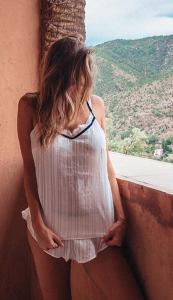
    Beautiful organic cotton pyjama set… dreamy floaty!

    First and foremost, AmaElla lingerie is beautiful.

    A quick look at their Instagram or website will show you an artful combination of strong and delicate colours and patterns. Deep navy velvet trim on crisp white linen sits alongside delicate florals in lilac and blue and the softest blush pink… and (spoiler alert) there’s red to come. Sounds like I have inside information? I do, but more about that later.

    Luckily, the enticing look of AmaElla’s nightwear and underwear is matched by how it feels. You’re going to want to put it on. I’d describe it as the perfect balance between thickness and softness to feel lovely against the skin without compromising on support.

    Each piece is designed to make a female body look and feel its best. Careful consideration has been given to front opening bras and knickers with a tie on the side. Everything is flexible and comfortable – no underwires or spiky catches anywhere.

    And guess what else… AmaElla have asked me to work with them!

    It was such a privilege to take part in a recent shoot for their upcoming product launches and meet some of the people behind the brand, including brand co-founder Lara Miller. Lara has clearly been passionate about the environment for some time. She described how her knowledge of the massive polluting effects of conventional cotton production combined with an eye-opening experience volunteering in Madagascan marine conservation gave rise to the idea of creating organic cotton lingerie.
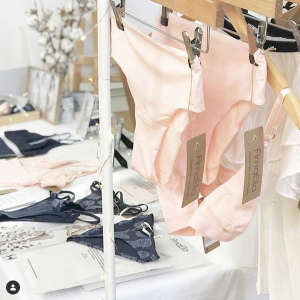
    Super soft and comfy and made from organic cotton

    Environmental sustainability

    AmaElla’s commitment to sustainability is multi-faceted. Their lingerie is made using GOTS certified organic cotton and prints are created using GOTS certified printing. You can read an explanation of both here.

    Also of major environmental impact is the lifespan of each product. It’s shocking to know that according to a report in the Mail Online, most garments are worn as few as seven times each before being sent to landfill or donated to a charity store in the unlikely hope that someone else will treasure our trash.

    You’ll be pleased to know then that AmaElla’s garments are created with a view to durability and longevity. From sourcing the best quality fabrics to the skillful design and fitting process and meticulous construction AmaElla promise their goodies are as good as new even after 50 washes!
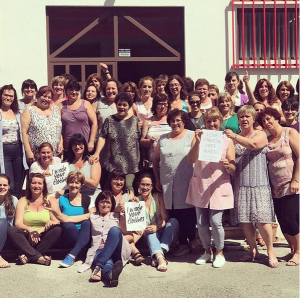
    Who made AmaElla’s lingerie? These people… these actual, real, hardworking, skilfull people

    Social responsibility

    To date, AmaElla have partnered with garment manufacturers in the UK and Portugal, to support the development of valuable skills in safe, properly paid careers. Both partners have a focus on providing opportunities and training to young women.

    Body positivity

    So, how can I help a brand which seems to have everything so thoroughly sorted? As well as spreading the word here, I’ll be featuring in their social media as well as sharing my favourite pieces and images from the shoot via Instagram. Yes! As well as all their other admirable qualities, AmaElla are totally body and age positive, choosing to promote their brand using a diverse range of models and aiming to make us all feel great about ourselves. To say I’m nervous about seeing my 46-year-old, post-six-baby-body on screen is an understatement! But I love the brand and all it stands for so much that I’m doing it anyway.

    The bottom line

    AmaElla: sensuous, organic lingerie… thoughtfully designed… well made… with maximum positive social impact and environmental sustainability right at the heart of every lovely piece.
    Shop AmaElla here

    See AmaElla on Instagram here

  • iLE AiYE knitwear

    iLE AiYE knitwear

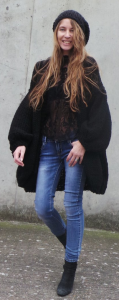
    over sized chunky black cardigan sweater women's chunky knit puff sleeves long sweater
    Cherylline Price from iLE AiYE knitwear wearing a signature oversized knit

    Handmade knits…

    At the heart of any ethical fashion winter wardrobe has to be a collection of knitwear. From super-snuggly angora for the snowiest days to lightweight trans-seasonal pieces that give your summer clothes an extra few weeks of wear, knitwear is an absolute must have.

    And if, like me, you love the eclectic charm of handknits but lack the skills to craft them yourself, a great place to start looking is Etsy. It was on Etsy – while searching for “ethical oversized handknits” – that I first stumbled across iLE AiYE.

    Meet iLE AiYE and Cherylline Price

    Meaning “house of life” or “mother earth” iLE AiYE knits are the creative outpourings of Cherylline Price. Everything about the brand seems personal including the photographic journey she shares about her own life, travels, family and philosophies. Cherylline is designer and stylist as well as the hands that knit each garment and the model you see in all her online images.

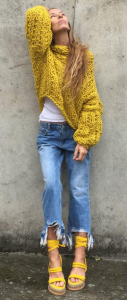
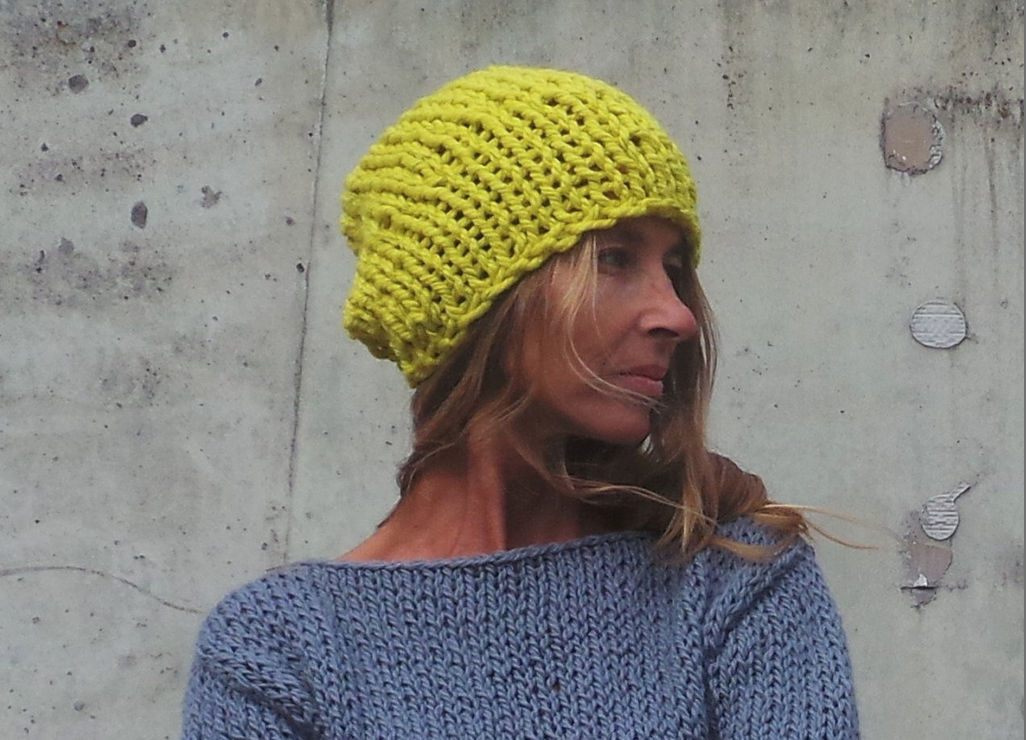
    Bright yellow ethical knitwear from Ile Aiye knitwear
    Yellow colour pop!

    Dividing her time between London and Ibiza, it seems Cherylline is almost always taking orders… no doubt travelling everywhere with a big bag of needles and yarn, constantly keeping an eye out for new colours and materials to incorporate into whatever she’s dreaming up next.

    Cherylline describes her style as “original loose knit grunge”… I think they’re a bit magical too!

    Warm enough for a London Winter

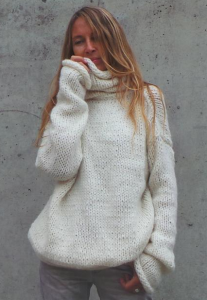
    iLE AiYE’s Alpaca sweater dress: practically cold-proof!

    For incredible warmth, invest in an Alpaca sweater dress which can be worn on the hip, or eased down to mid thigh. There’s a great selection of styles and shapes – sweaters, cardigans, ponchos – in colours ranging from muted naturals to vibrant yellows, greens and blues. iLE AiYE’s relaxed detailing is what really make her pieces so fab… like the voluminous sleeves which taper to perfectly fitted cuffs, and super-sized roll necks which almost double up as a matching snood.

    There are also chunky, cool hats and scarves which you can order to match or contrast as you prefer

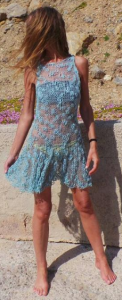
    Ibiza party dress Ile Aiye

    Cool enough for Ibiza

    If London life is represented by her cosy range of woollies, Cherylline’s Ibiza life is also apparent in her collection! Think beach dresses which go straight to the dancefloor and spiderweb-fine coveralls and shrugs, perfect for sliding on over a bikini or simple tank dress.

    Want an iLE AiYE knit of your own??

    Visit Cherylline’s Etsy store to check out the range… there are loads to choose from, or you can request something custom made in your favourite colour or yarn.

    iLE AiYE garments are made to order, so allow for a little time and consider these pieces as long-term investments. Wear and wash carefully for years of quirky, relaxed style and comfort… and expect to get asked #whomadeyourclothes!

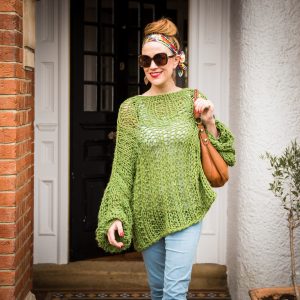
    Love this! I always get compliments when I wear my green oversized sweater from iLE AiYE


  • Monkee Genes

    Monkee Genes

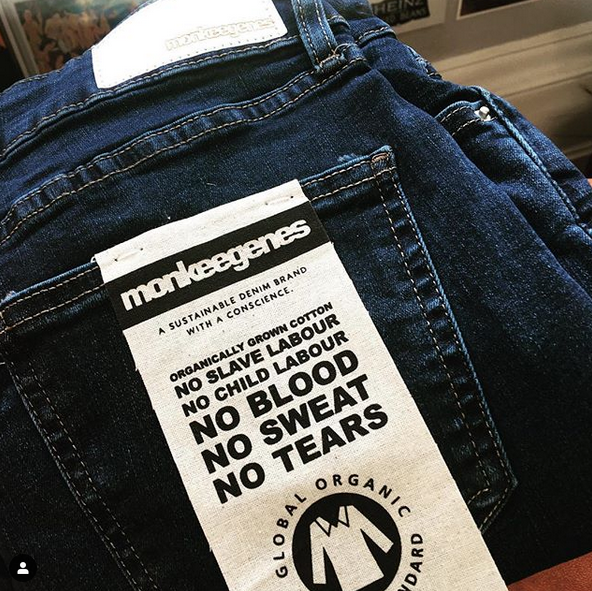
    ethical fashion denim jeans brand Monkee GenesMonkee Genes: everything you could ask for in an ethical denim jeans brand, and very loud and proud about promoting their values.
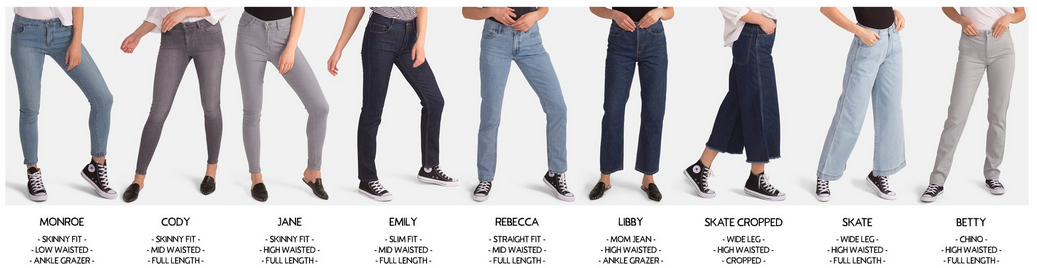
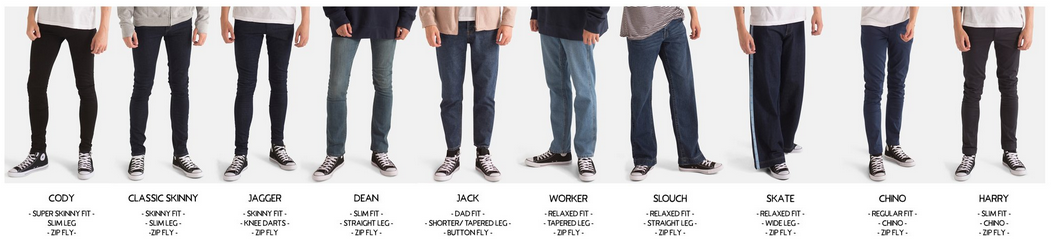
    The first thing you see when you open a parcel from Monkey Genes is one big, bold label announcing…

    ‘No slave labour, no child labour, no blood, no sweat, no tears.’

    …doesn’t that make you happy?

    Because this is a website about ethical fashion, let’s talk ethics first. Monkee Genes was founded in by Phil Wildbore who “wanted to prove that there is such a thing as looking fashionable whilst supporting sustainability”. Denim garments are notoriously difficult to produce in a social and environmentally responsible way, but by using organic cotton and sourcing GOTS Certified factories, Monkee Genes are able to reduce the negative impact of their products on everyone along the supply chain.

    From the cotton farmer who isn’t getting lungs full of chemicals and is able to fairly trade his product; the habitat and biofauna that aren’t getting doused with insecticides; the people who handle, spin and transform the cotton into denim; and those turning swathes of fabric into pairs of jeans… Monkee Genes are putting ethics at the heart of their production.

    “We work hard to protect the people who make our clothes, working closely with our factories to ensure safe working conditions and a decent living wage. Our commitment to ethics paired with a innovative fits offers a point of difference to the denim market. All organic, all ethically produced, all fairly made!” Round of applause here please.

    Now let’s talk fashion…

    Monkee Genes fit guide ethical fashion denim jeans brand

    Something for EVERYONE!! I’ve been buying Monkee Genes since I first became properly aware of ethical fashion, in 2010. Their range has increased and improved over that time, and their fabric and fit has remained superb. My one gripe with them was that they didn’t do a high waist… but now they do!! Hello Jane (see above!), the perfect jean in every way!

    Whatever ever your preferred fit is, choose from a variety of colours and washes, and make sure they’re perfect for you with either a regular or long cut.

    And there’s even more styles for men to choose from…

    Ethical mens denim brand jeans Monkee Genes

    Pricing is very reasonable too and might even make you question why designer jeans with unknown provenance could possibly cost so much more…

    ethical danim jeans brand Monkee Genes
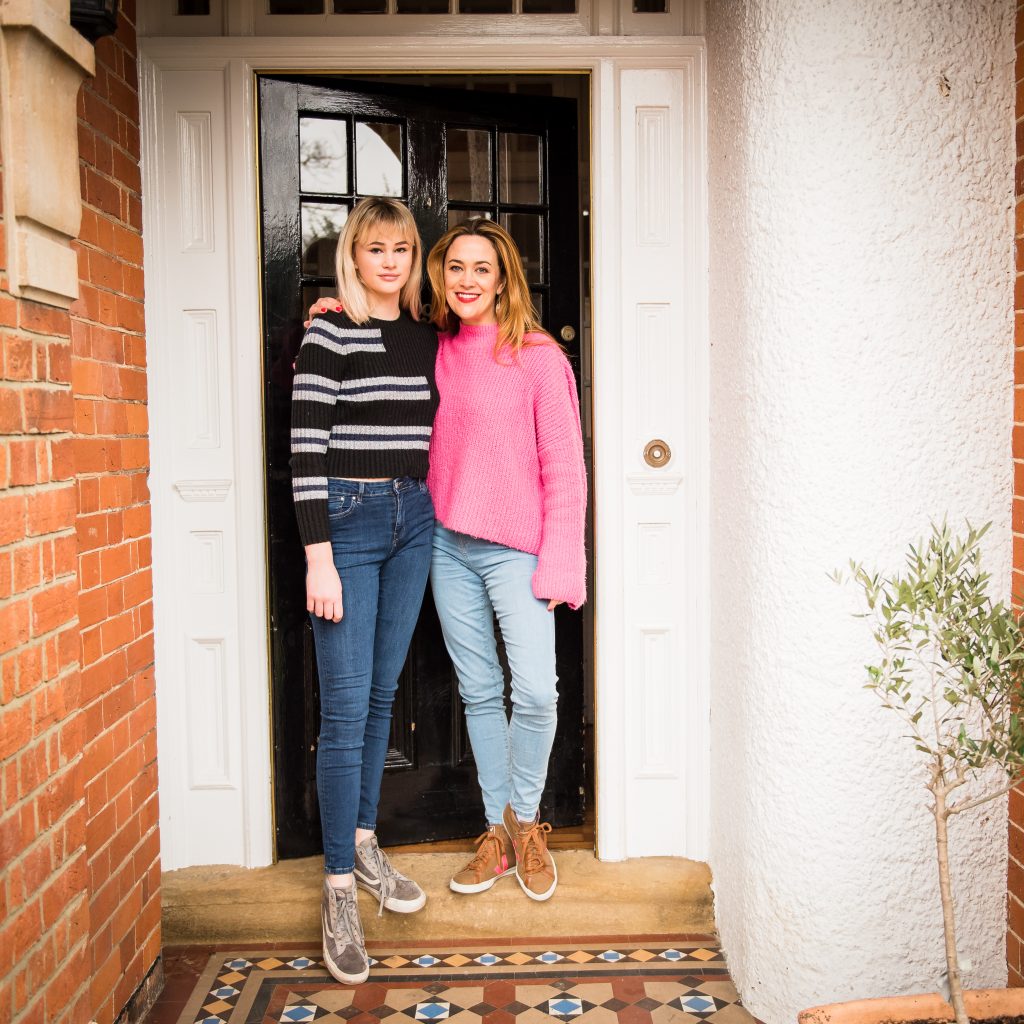
    Me and my gal, Lila, in our Monkee Genes jeans


  • Go on! Take the ethical fashion plunge

    Go on! Take the ethical fashion plunge

    So who did make your clothes? You might not like the answer… photo courtesy of ShiftLondon.com

    The reason people don’t buy ethical fashion is usually for one of two reasons;

    They think it’s too expensive

    or

    They don’t know what to buy

    So many of us aspire to be conscious consumers and value both the products we buy and, in principle at least, the people who make them. Fashion should be fun and creative, a source of pleasure as well as practicality, shouldn’t it?

    At some point you’ve decided you would like to use your consumer power to encourage fashion retailers to provide safe working conditions and pay a living wage all along the supply chain…

    Great! Here’s how:

    1. DON’T CHUCK OUT all your fast fashion. It will just go to landfill, and if you care enough to boycott sweatshops, you probably care about the environment too.
    2. DO FILTER through what you have in your wardrobe already. Bundle up anything that doesn’t fit, anything you haven’t worn for a year or anything you know deep down you just aren’t going to wear, and take it to your local charity shop or clothing recycler.
    3. CONSIDER A PROFESSIONAL STYLIST in to help you assess your wardrobe for colours and styles that particularly suit you and make recommendations about what to buy in future. You might be surprised how affordable stylists can be… Besides, from now on your wardrobe is a collection you invest in, so buying great pieces and making minimal style mistakes is a good thing. Gotta say, I know a local (to me) Kent stylist (check out Elisa Traynor’s website here) who does colour analysis, wardrobe styling and – if you want to push the boat out – personal shopping too. She’s totally realistic about budget and all about wellbeing and body positivity. I have found her colour advice particularly useful when buying new pieces as well working out how to wear existing garments even if they’re the “wrong” colour.
    4. PHONE A FRIEND. If you think hiring a stylist is a rubbish idea, but you have a friend who’s style you admire, maybe ask them to help. Notice for yourself what colours and styles you wear when you get a compliment, and which ones tend to get your friends asking if you’re ok, or make you feel like you need to hit the gym or pile on another layer of makeup.
    5. BE SURE ABOUT WHAT YOU WANT TO BUY. You are no longer shopping on a whim, or buying something just because it’s reduced, or buying garments for a single wear. Be fussy. Only buy clothing you know will suit you and that you will wear for years to come. Invest in classic, beautifully made pieces. I can honestly say that the quality of every single ethically produced garment I have bought has been impressive. From super-soft kids’ t-shirts and jeans, to bamboo socks, linen shirts, gymgear, jackets, sunglasses… everything! Ethical manufacturers want your repeat business and they make products to last. (They also tend to have great customer service, so if you do have a problem, get in touch!)
    6. RETURN ALL THE CATALOGUES you get through the letterbox and unsubscribe to all the fashion marketing emails. Even the ethical fashion ones!! They will only encourage you to impulse buy. When you need something new you will know. That’s the time to look.
    7. LOOK AT THE LABELS! When you know what you have and what you want to buy, start doing some research into your favourite brands. The sad truth is that unless a brand markets themselves as ethical and has certified labelling to prove it, it’s highly unlikely that they are. If a company is going to go to all the trouble and extra expense of meeting ethical standards, they are going to display evidence loudly and proudly that they are doing so. Check out Ethical Consumer website for the labels to look for.
    8. NO JOY WITH THE LABEL? Consider where your garment was made – clothing manufacturers are required by law to include a “Made in…” label in every garment.

      From the website “Good on You” click to see full article.

      Personally, I don’t want clothing brands to take their manufacturing away from China or the many third world countries that rely on our trade. I would just like those companies to pay their workers a living wage. Bear in mind that a living wage in Bangladesh is not the same as a living wage in the UK, so this wouldn’t necessarily hike up the prices of mass produced clothing in a dramatic way… what it would mean is that the largely female workforce could afford to eat, have somewhere safe to live, provide adequate childcare or education for their children (so they don’t become the next generation of slaves) and have a small amount of disposable income. However, in terms of avoiding sweatshops, some ethical shoppers choose to buy garments which are made in Europe, USA, Australia or any other country where workers’ rights are protected. Don’t kid yourself that these countries don’t have sweatshops too though! If the garment you’re buying is super cheap, it was probably made in a sweatshop. Use social media to ask the question, “Who made my clothes”. If you get a quick, clear answer, great! Kerching! If you get a lengthy ethical policy full of good intentions but no actual commitment to a living wage and safe working environment… it’s buyer beware. Most likely you will hear nothing. Come to your own conclusion.

    9. GO THROUGH THE 5 STAGES OF LOSS AND GRIEF. It’s tough. But you can do it.
    10. SEARCH FOR NEW BRANDS TO LOVE. There is an absolute plethora of exciting brands which go about setting up or using worker’s cooperatives, Fairtrade factories and the like. They empower employees, providing them with fair pay, healthcare, childcare and a chance to escape poverty and abuse. That’s something you want to be a part of! Some brands are listed in the Love this! section of this very website and over time I will try to list many more. But for now, be an eo-warrior and search on Ecosia (find out about Ecosia here) for ethical fashion, ethical clothing… something like that.
    11. SHOP THE SALES. Some ethical brands are more expensive to buy than high street brands. It’s true. (But they last longer and mean you aren’t contributing to human trafficking, slavery etc, so it’s worth a bit more, right?)  Try new brands when they come on sale. I am always surprised how early in the season this happens. My children and I are usually still wearing woollies when Summer clothing goes on sale, so wait till you actually want to wear new season’s clothing before you shop.
    12. TAKE ADVANTAGE OF FREE DELIVERY AND RETURNS. Not shopping on the high street (with very few exceptions) usually means you can’t try clothing on before you buy. Once you get to know a brand, you will know how it fits. In the early days, buy two sizes and return one, or just be prepared to send something back if it arrives and you don’t love it. Easy.
    13. SPREAD THE WORD. Over a relatively short period of time you will develop a list of go-to brands. I make a point of giving these brands as gifts and telling anyone who compliments me where an item is from. Don’t forget to tag brands if you post images on social media too!

    I always love to hear from readers about their ethical fashion journey… what brands do you love? How did you manage the change from fast fashion to slow fashion? What made you make your own pledge to shop sweatshop free? Let me know… Email: kate@strippedbarefashion.com Twitter: @manytimesmummy Insta: @stripped.bare.fashion

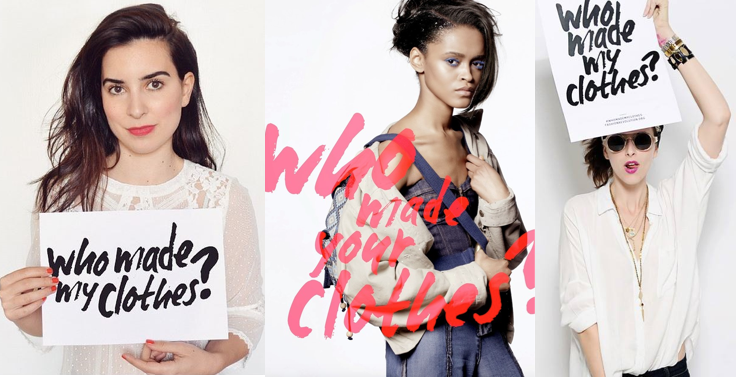
    Featured image credits: “Who made my/your clothes?” dazedimg.dazedgroup.netdna-cdn.com, makeandbelievemagazine.com, ravishly.com

  • Pretty in ethical pastels SS18

    Pretty in ethical pastels SS18

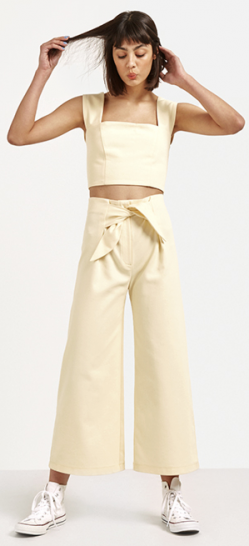
    Yellow Tie Front Wide Leg Culotte
    Ooooh… lemon yellow tie front wide leg culotte from Nobody’s Child

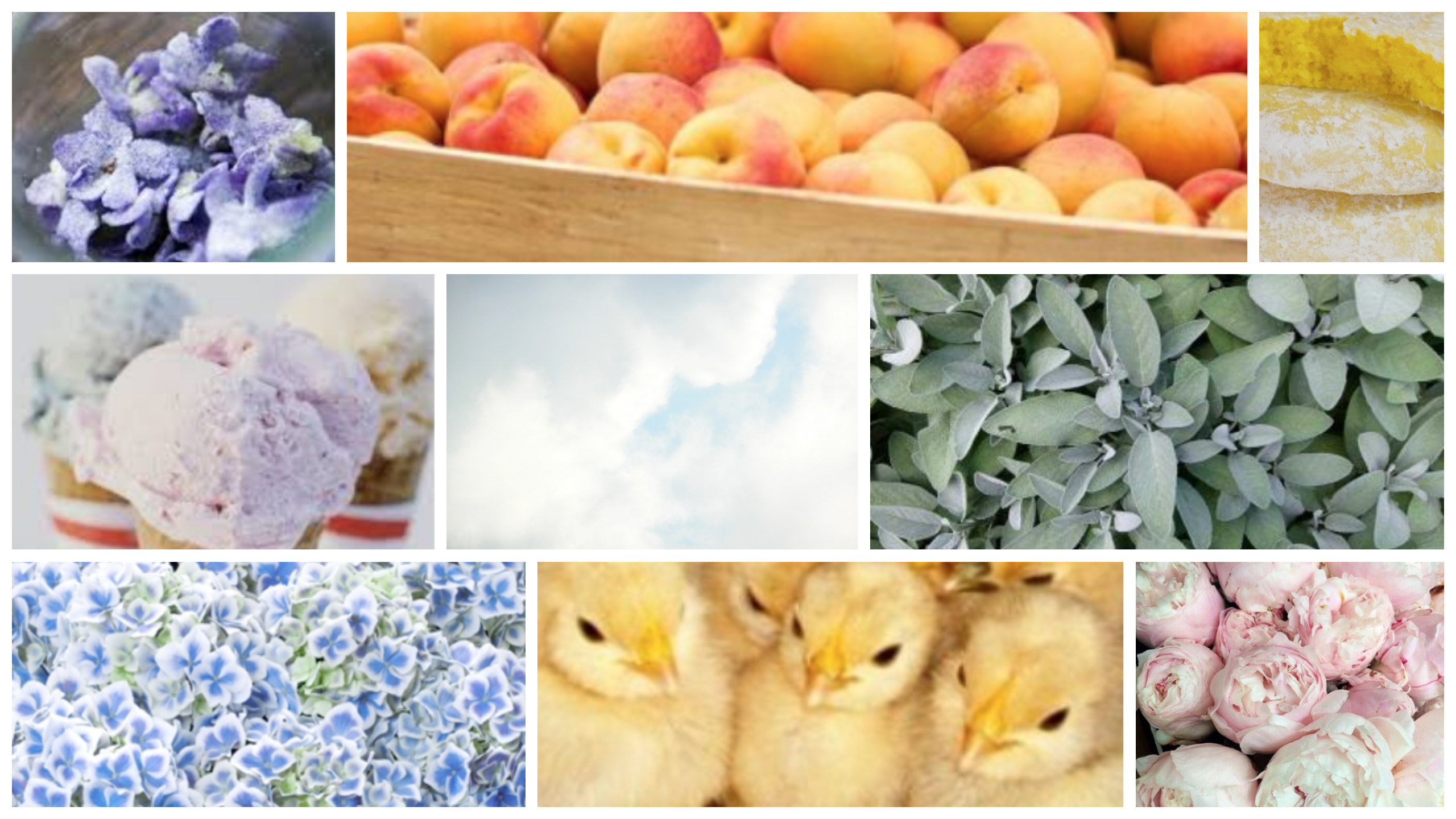
    For Spring/ Summer 2018, the fashion world is offering up all manner of pretty pieces in the softest, most flattering gelato inspired colours.

    But if you’re committed to buying ethical fashion the thought of shopping cheap, throwaway trends is counter-intuitive. If you’re wanting to add some on-trend colour, you don’t have to go head-to-toe pastels! Mint, fuzzy peach, dusty pink and baby blue all look great with your existing black, white or tan basics.

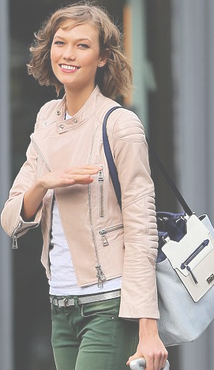
    Steal her style! – Karlie Kloss showing how to pair pastels with olive green and keeping the accessories light.

    To add a touch of pastel, pair a top in your favourite faded shade with a pair of white linen trousers or skirt. Olive green and navy work well too as a good base for adding pastels.

    Keep the look fresh and light with delicate styles – such as strappy sandals and a small clutch or shoulder bag – if you want to wear dark or bright accessories from your existing wardrobe. Personally, I love the contrast of white or tan with pastels and would steer clear of beiges, greys and more earthy shades.

    A combination of different pastel shades works too. Layer up a shabby chic rainbow by pulling together all your old and new pastel items. Don’t forget faded blue denim jeans and jackets which look brilliant contrasted with yellows and pinks and finished with your shiniest white eco-trainers.

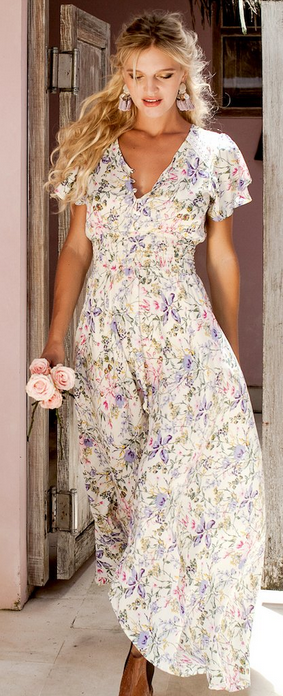
    Floaty fabrics create a feminine look: beautiful maxi dress from BaliElf

    Luxe fabrics work brilliantly to emphasize delicate colours. Consider sueded silks for their muted, peach-skin softness; chiffon for the addition of translucent colour (think a draped scarf or floaty overskirt): or crushed, coloured linen. Embroidery is still strong as a trend and can add some depth and texture.

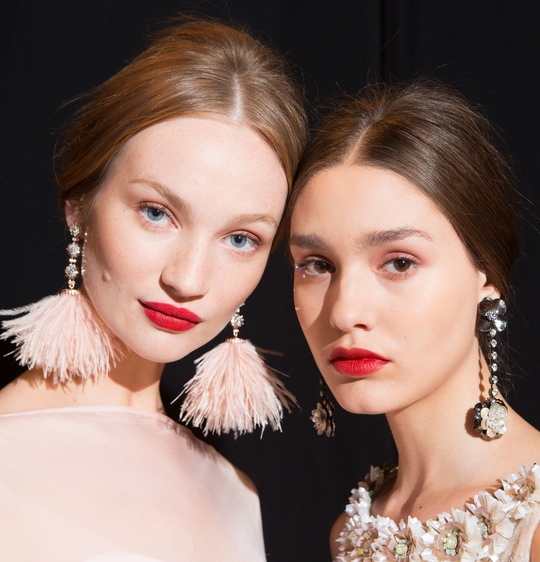
    SS18 makeup - red lips, minimal makeup, pastel clothing
    From Badgley Mischka’s fashion week offerings… barely there makeup and bright red lips work so well with pale and pretty clothing

    Colour advisers suggest you choose shades which contrast with your natural skin tone to compliment your complexion: Try blushed pink or apricot near the face if you have olive skin, yellows and melon for pale, cooler tones, and icy blues or soft sage for those with a rosier complexion.

    Before you dash out the door, give your makeup a moment’s thought. Pearlescent glosses or dewy matt lips in cashmere colours can accentuate the prettiness of pastels. But alternatively, don’t hesitate to go bold with your lipstick. Bright red lips create impact against an otherwise understated palette and look to be a top SS18 makeup trend when worn with otherwise minimal makeup.

    Last but not least, if you want to avoid sweatshop fashion:

    • Buy quality, not quantity – spending more money on a garment that is thoughtfully made will improve it’s longevity and reduce your contribution to clothing landfill
    • Look for brands that promote their business ethics – credentials such as Fairtrade and certified organic are found on labels, or you can easily research ethical policies online
    • Ask online or instore #whomademyclothes
    • Join the ethical fashion conversation by sharing your favourite finds on social media with #fashionrevolution, or tag @kate.adores in your image
    • Follow the links from the images to shop the clothing shown in this article

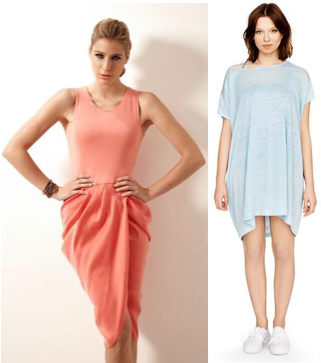
    Dresses in sorbet-soft colours from Outsider fashion: blue lightweight linen tunic and peach bamboo and silk draped dress
    Dresses in sorbet-soft colours from Outsider fashion: blue lightweight linen tunic and peach bamboo and silk draped dress

  • Seasalt coats

    Seasalt coats

    My go-to brand for coats has to be Seasalt. Whether you’re looking for light weight or heavy duty, long or short, brightly coloured or understated, Seasalt is the place to start.

    When I moved to the UK from Australia I had no idea of the need for such a

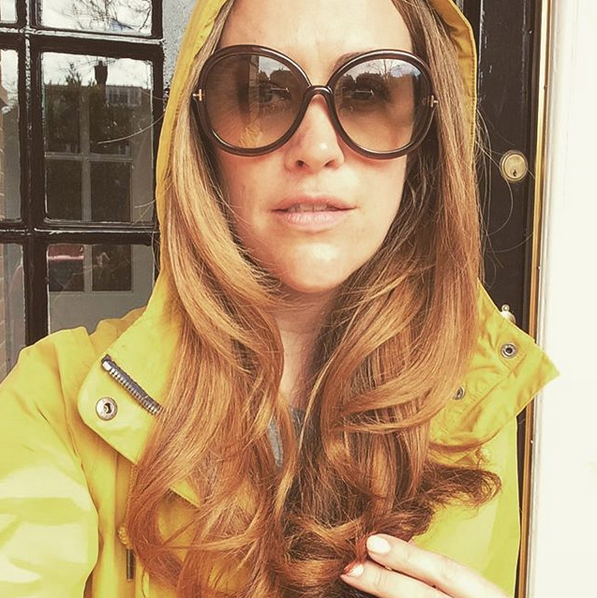
    From kate.adores: Not hot, not cold… Maybe rain… The best ethically-made lightweight coats are by #seasalt… So many different shapes lengths and colours… #feelgoodfashion #ethicalfashion #transseasonalfashion #yellow #madeinuk #rainproof #spring

    variety of outerwear – one leather jacket, one denim jacket and an umbrella pretty much gets an Aussie through the cold weather! So after shivering through my first Winter a helpful friend told introduced me to the notion that there is no such thing as bad weather, only unsuitable clothing.

    Hello options such as waterproof, windproof, breathable, packable, rollable, reversible, belted, buttoned, zipped or toggled… coats for dog walking, beach combing, school runs, day trips, errands and standing on the sidelines at sports matches.

    Seasalt follow the Ethical Trading Initiative (ETI) base code and provide information on their social and environmental policies which deserve a read. And what’s more they can be found on the high street which is very rare indeed for a truly ethical fashion label.

    Now I would describe my coats as a collection, and Seasalt is very much at the practical heart of it.

  • Going to Brussells

    Going to Brussells

    This is the first update on the progress of our petition calling for mandatory clothing labels which indicate the working conditions of the people who made them.

    If you’d like to sign the petition, it’s here: ***No it’s not any more! PETITION NOW CLOSED

    Exciting news! Our voices have been heard!

    I have been invited to go to Brussels to attend The Hands That Sew Your Shirt and propose working condition clothing labels to the European Commission.

    This would not have happened without your early support of this petition. THANK YOU.

    The next step is to start a European Citizen’s Initiative (ECI) which I will start work on when I get back from Brussels. This is a massive task and involves setting up a committee with representatives from 7 EU states, then getting 1 million signatures on the petition. Yes, 1 million!! And we can do it.

    Green MEP Keith Taylor has offered his support with this campaign following his successful involvement with the ECI calling for an eight hour limit on live animal transport. I will also be building a network of non-government organizations such as the Clean Clothes Campaign, Labout Behind the Label and Care International, to help drive the campaign forward through their own channels.

    In the meantime, we need to keep spreading the word. It’s truly outrageous that the fashion industry won’t come clean about their use of sweatshop slavery. 8 million people in Bangladesh alone work in garment manufacture. And while the European Commission’s own 2013 study revealed that 84% of EU consumers care about how their clothes are made, fashion retailers are under no legal obligation to provide this information.

    We know about the conditions of the chickens that lay our eggs, it’s time we knew about the working conditions of the people who make our clothes.

    Thank you again for your involvement. Please continue to share the petition on all your social networks and via email. Invite people to sign. We’ve had success already with 300 signatures, imagine if we each got just one more person to sign and had double the signatories by next week.

    This is just the beginning of a long campaign and there’s a big job ahead. But together we are being the change we want to see in the world… and it’s very exciting.

    Kate


    This was originally published on diamondsanddaisychains.com

  • Call for ethical fashion labels

    Call for ethical fashion labels

    Hello!

    I’ve started the petition “European Parliament: Enforce mandatory labelling of clothing which states the work conditions of the people who make them. eg Fairtrade, SA8000, unregulated etc.” and need your help to get it off the ground.

    Will you take 30 seconds to sign it right now? Here’s the link:

    http://www.change.org/en-GB/petitions/european-parliament-enforce-mandatory-labelling-of-clothing-which-states-the-work-conditions-of-the-people-who-make-them-eg-fairtrade-sa8000-unregulated-etc

    Here’s why it’s important:

    This is important because consumers are currently unable to easily differentiate between clothing that is made under ethical circumstances, where workers are paid a living wage and work in a safe environment, and clothing that is made by people who are exploited, abused, unfairly paid, overworked, exposed to hazardous chemicals and unable to form a collective.

    This recent documentary exposed ongoing violence and abuse in a Bangladeshi sweatshop – these conditions are common throughout the garment manufacturing industry. http://www.itv.com/news/2014-02-06/exposure-rana-plaza-bangladesh-garment-factory-conditions/

    We label our eggs “free range” or “caged” so consumers can make an informed choice about what they’re buying, we need to do the same with our clothes.

    Garment industry workers who work in sweatshops are slaves. They have no power to improve their circumstances and often no alternative employment.

    Fashion should be fun and fair. Our desire to look good should not result in vulnerable people in the third world being forced into enduring poverty, unsafe work environments and pay which isn’t enough to live on.

    Please support this petition to make a stand for the nameless, faceless people (mainly women and children) who are trapped in exploitative garment manufacturing work.

    Please support this petition so that High Street retailers are unable to continue using sweatshops and being deliberately ambiguous about their ethical standards.

    Please support this petition for the people who died in Rana Plaza, those who died in Tazreen, those who died in Garib & Garib, and those who died in smaller, unreported tragedies.

    You can sign my petition by clicking here.

    Thanks!


    Post originally published on diamondsanddaisychains.com