Tag: eco clothing

  • Sustainable fashion for 2021

    Sustainable fashion for 2021

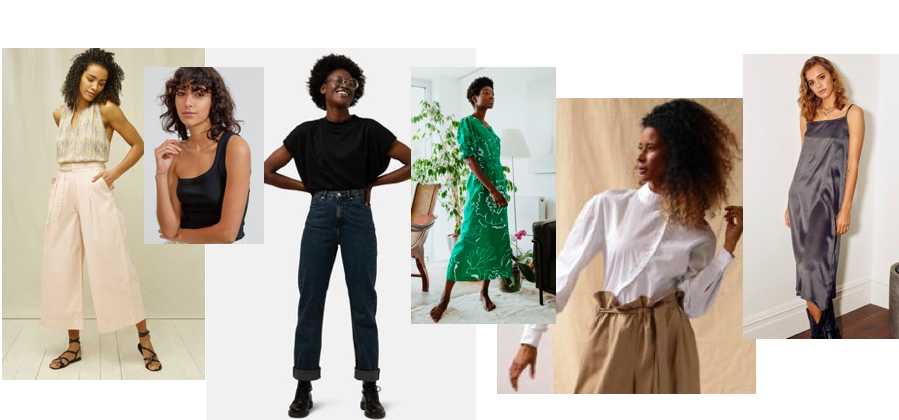
    Sustainability is rapidly becoming a word that companies across all sectors want to use to market their brand. It’s been talked about within fashion for decades, but maybe 2021 will be the year we really demand it from the fashion retailers we know and love?

    If you’d like to add sustainability to your style must haves, here are some great places to look:

    The Independent: 13 best sustainable clothing brands for women that are ethical and stylish

    Happy sustainable fashion shopping!

  • AmaElla

    AmaElla

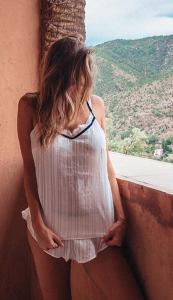
    Beautiful organic cotton pyjama set… dreamy floaty!

    First and foremost, AmaElla lingerie is beautiful.

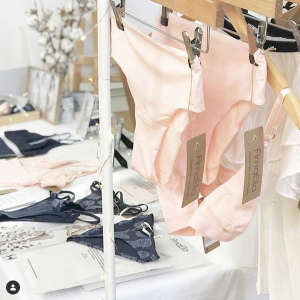
    A quick look at their Instagram or website will show you an artful combination of strong and delicate colours and patterns. Deep navy velvet trim on crisp white linen sits alongside delicate florals in lilac and blue and the softest blush pink… and (spoiler alert) there’s red to come. Sounds like I have inside information? I do, but more about that later.

    Luckily, the enticing look of AmaElla’s nightwear and underwear is matched by how it feels. You’re going to want to put it on. I’d describe it as the perfect balance between thickness and softness to feel lovely against the skin without compromising on support.

    Each piece is designed to make a female body look and feel its best. Careful consideration has been given to front opening bras and knickers with a tie on the side. Everything is flexible and comfortable – no underwires or spiky catches anywhere.

    And guess what else… AmaElla have asked me to work with them!

    It was such a privilege to take part in a recent shoot for their upcoming product launches and meet some of the people behind the brand, including brand co-founder Lara Miller. Lara has clearly been passionate about the environment for some time. She described how her knowledge of the massive polluting effects of conventional cotton production combined with an eye-opening experience volunteering in Madagascan marine conservation gave rise to the idea of creating organic cotton lingerie.

    Super soft and comfy and made from organic cotton

    Environmental sustainability

    AmaElla’s commitment to sustainability is multi-faceted. Their lingerie is made using GOTS certified organic cotton and prints are created using GOTS certified printing. You can read an explanation of both here.

    Also of major environmental impact is the lifespan of each product. It’s shocking to know that according to a report in the Mail Online, most garments are worn as few as seven times each before being sent to landfill or donated to a charity store in the unlikely hope that someone else will treasure our trash.

    You’ll be pleased to know then that AmaElla’s garments are created with a view to durability and longevity. From sourcing the best quality fabrics to the skillful design and fitting process and meticulous construction AmaElla promise their goodies are as good as new even after 50 washes!

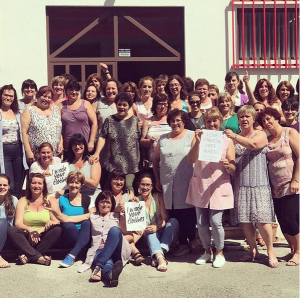
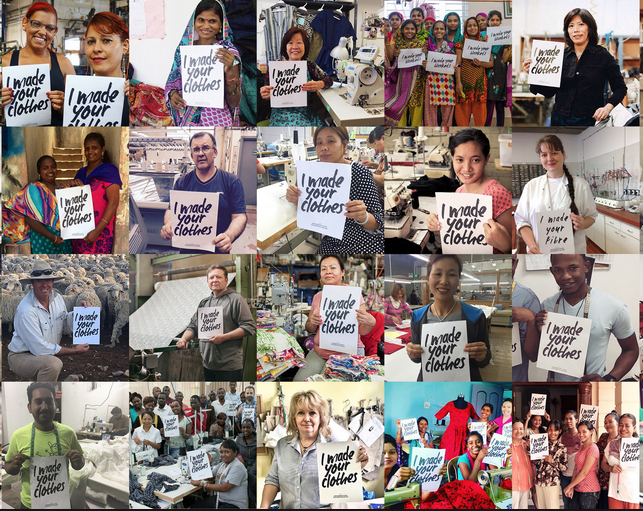
    Who made AmaElla’s lingerie? These people… these actual, real, hardworking, skilfull people

    Social responsibility

    To date, AmaElla have partnered with garment manufacturers in the UK and Portugal, to support the development of valuable skills in safe, properly paid careers. Both partners have a focus on providing opportunities and training to young women.

    Body positivity

    So, how can I help a brand which seems to have everything so thoroughly sorted? As well as spreading the word here, I’ll be featuring in their social media as well as sharing my favourite pieces and images from the shoot via Instagram. Yes! As well as all their other admirable qualities, AmaElla are totally body and age positive, choosing to promote their brand using a diverse range of models and aiming to make us all feel great about ourselves. To say I’m nervous about seeing my 46-year-old, post-six-baby-body on screen is an understatement! But I love the brand and all it stands for so much that I’m doing it anyway.

    The bottom line

    AmaElla: sensuous, organic lingerie… thoughtfully designed… well made… with maximum positive social impact and environmental sustainability right at the heart of every lovely piece.

    Shop AmaElla here

    See AmaElla on Instagram here

  • Monkee Genes

    Monkee Genes

    ethical fashion denim jeans brand Monkee GenesMonkee Genes: everything you could ask for in an ethical denim jeans brand, and very loud and proud about promoting their values.
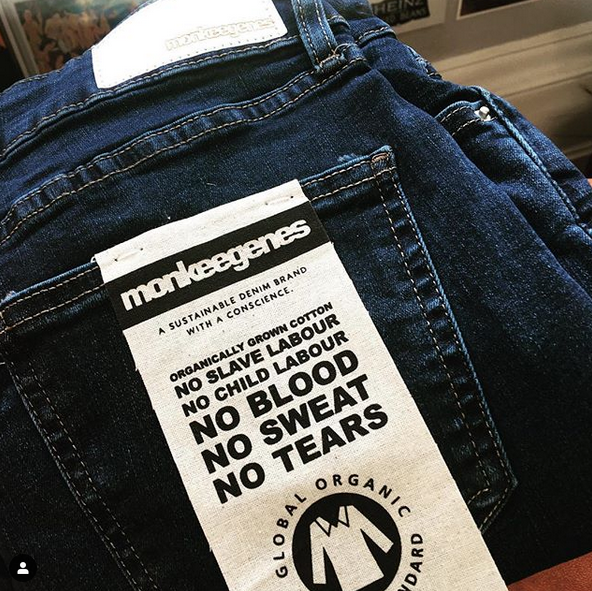
    The first thing you see when you open a parcel from Monkey Genes is one big, bold label announcing…

    ‘No slave labour, no child labour, no blood, no sweat, no tears.’

    …doesn’t that make you happy?

    Because this is a website about ethical fashion, let’s talk ethics first. Monkee Genes was founded in by Phil Wildbore who “wanted to prove that there is such a thing as looking fashionable whilst supporting sustainability”. Denim garments are notoriously difficult to produce in a social and environmentally responsible way, but by using organic cotton and sourcing GOTS Certified factories, Monkee Genes are able to reduce the negative impact of their products on everyone along the supply chain.

    From the cotton farmer who isn’t getting lungs full of chemicals and is able to fairly trade his product; the habitat and biofauna that aren’t getting doused with insecticides; the people who handle, spin and transform the cotton into denim; and those turning swathes of fabric into pairs of jeans… Monkee Genes are putting ethics at the heart of their production.

    “We work hard to protect the people who make our clothes, working closely with our factories to ensure safe working conditions and a decent living wage. Our commitment to ethics paired with a innovative fits offers a point of difference to the denim market. All organic, all ethically produced, all fairly made!” Round of applause here please.

    Now let’s talk fashion…

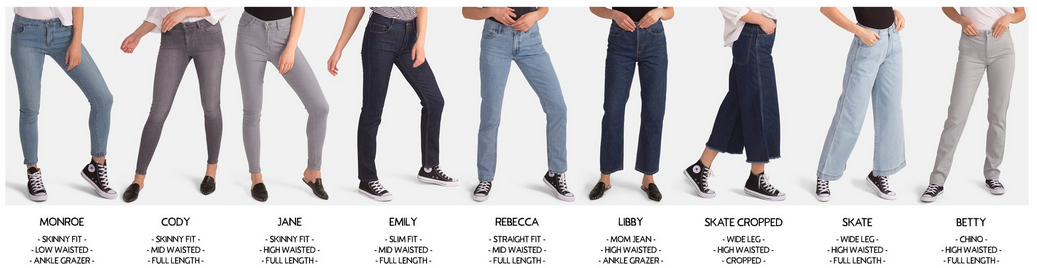
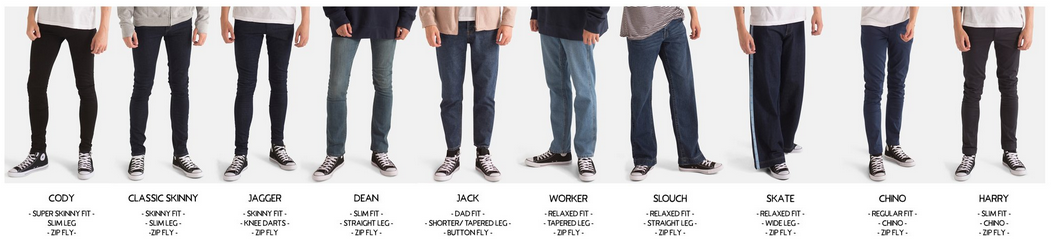
    Monkee Genes fit guide ethical fashion denim jeans brand

    Something for EVERYONE!! I’ve been buying Monkee Genes since I first became properly aware of ethical fashion, in 2010. Their range has increased and improved over that time, and their fabric and fit has remained superb. My one gripe with them was that they didn’t do a high waist… but now they do!! Hello Jane (see above!), the perfect jean in every way!

    Whatever ever your preferred fit is, choose from a variety of colours and washes, and make sure they’re perfect for you with either a regular or long cut.

    And there’s even more styles for men to choose from…

    Ethical mens denim brand jeans Monkee Genes

    Pricing is very reasonable too and might even make you question why designer jeans with unknown provenance could possibly cost so much more…

    ethical danim jeans brand Monkee Genes
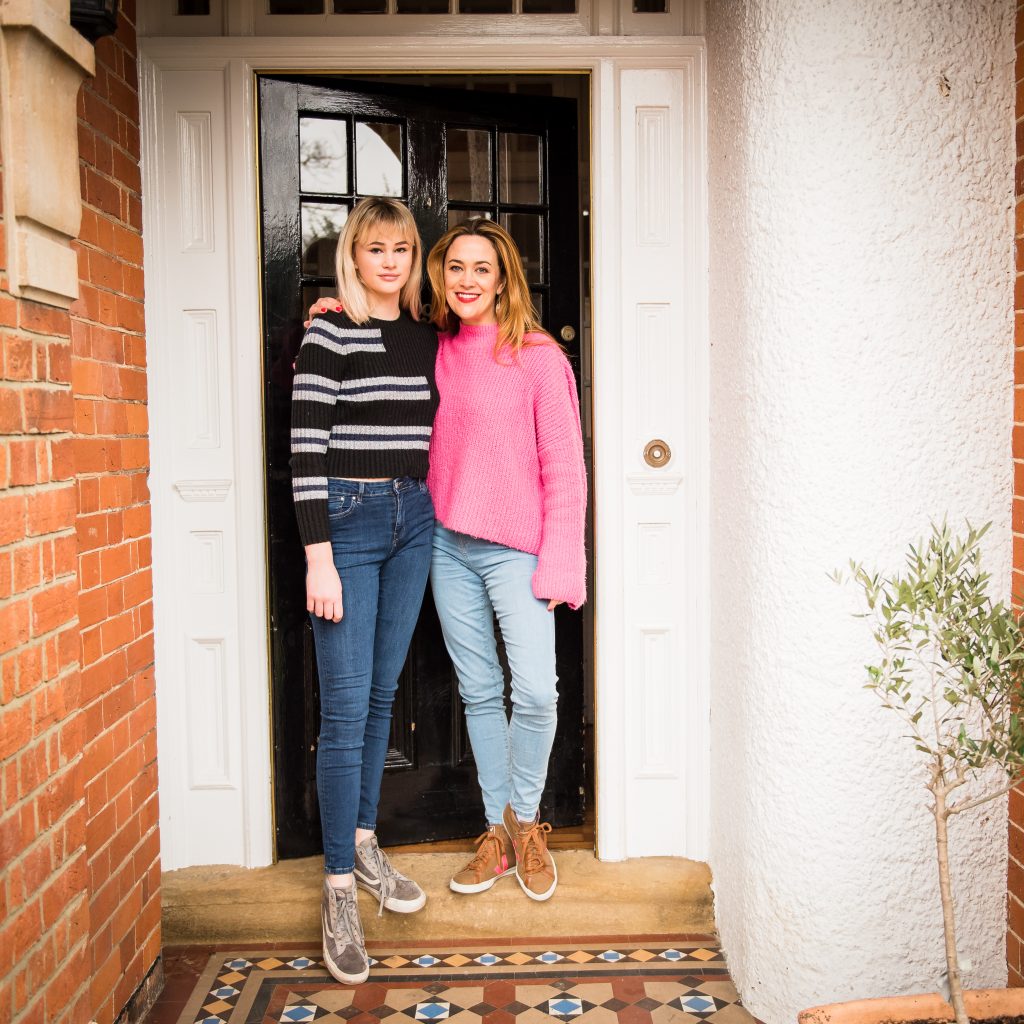
    Me and my gal, Lila, in our Monkee Genes jeans


  • Go on! Take the ethical fashion plunge

    Go on! Take the ethical fashion plunge

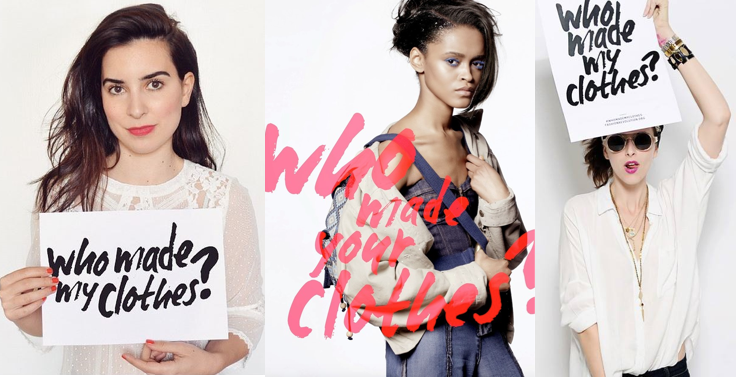
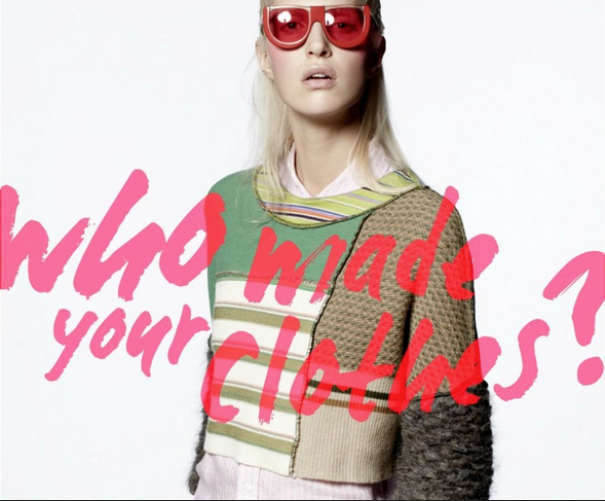
    So who did make your clothes? You might not like the answer… photo courtesy of ShiftLondon.com

    The reason people don’t buy ethical fashion is usually for one of two reasons;

    They think it’s too expensive

    or

    They don’t know what to buy

    So many of us aspire to be conscious consumers and value both the products we buy and, in principle at least, the people who make them. Fashion should be fun and creative, a source of pleasure as well as practicality, shouldn’t it?

    At some point you’ve decided you would like to use your consumer power to encourage fashion retailers to provide safe working conditions and pay a living wage all along the supply chain…

    Great! Here’s how:

    1. DON’T CHUCK OUT all your fast fashion. It will just go to landfill, and if you care enough to boycott sweatshops, you probably care about the environment too.
    2. DO FILTER through what you have in your wardrobe already. Bundle up anything that doesn’t fit, anything you haven’t worn for a year or anything you know deep down you just aren’t going to wear, and take it to your local charity shop or clothing recycler.
    3. CONSIDER A PROFESSIONAL STYLIST in to help you assess your wardrobe for colours and styles that particularly suit you and make recommendations about what to buy in future. You might be surprised how affordable stylists can be… Besides, from now on your wardrobe is a collection you invest in, so buying great pieces and making minimal style mistakes is a good thing. Gotta say, I know a local (to me) Kent stylist (check out Elisa Traynor’s website here) who does colour analysis, wardrobe styling and – if you want to push the boat out – personal shopping too. She’s totally realistic about budget and all about wellbeing and body positivity. I have found her colour advice particularly useful when buying new pieces as well working out how to wear existing garments even if they’re the “wrong” colour.
    4. PHONE A FRIEND. If you think hiring a stylist is a rubbish idea, but you have a friend who’s style you admire, maybe ask them to help. Notice for yourself what colours and styles you wear when you get a compliment, and which ones tend to get your friends asking if you’re ok, or make you feel like you need to hit the gym or pile on another layer of makeup.
    5. BE SURE ABOUT WHAT YOU WANT TO BUY. You are no longer shopping on a whim, or buying something just because it’s reduced, or buying garments for a single wear. Be fussy. Only buy clothing you know will suit you and that you will wear for years to come. Invest in classic, beautifully made pieces. I can honestly say that the quality of every single ethically produced garment I have bought has been impressive. From super-soft kids’ t-shirts and jeans, to bamboo socks, linen shirts, gymgear, jackets, sunglasses… everything! Ethical manufacturers want your repeat business and they make products to last. (They also tend to have great customer service, so if you do have a problem, get in touch!)
    6. RETURN ALL THE CATALOGUES you get through the letterbox and unsubscribe to all the fashion marketing emails. Even the ethical fashion ones!! They will only encourage you to impulse buy. When you need something new you will know. That’s the time to look.
    7. LOOK AT THE LABELS! When you know what you have and what you want to buy, start doing some research into your favourite brands. The sad truth is that unless a brand markets themselves as ethical and has certified labelling to prove it, it’s highly unlikely that they are. If a company is going to go to all the trouble and extra expense of meeting ethical standards, they are going to display evidence loudly and proudly that they are doing so. Check out Ethical Consumer website for the labels to look for.
    8. NO JOY WITH THE LABEL? Consider where your garment was made – clothing manufacturers are required by law to include a “Made in…” label in every garment.
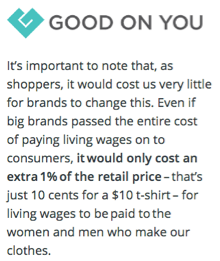
      From the website “Good on You” click to see full article.

      Personally, I don’t want clothing brands to take their manufacturing away from China or the many third world countries that rely on our trade. I would just like those companies to pay their workers a living wage. Bear in mind that a living wage in Bangladesh is not the same as a living wage in the UK, so this wouldn’t necessarily hike up the prices of mass produced clothing in a dramatic way… what it would mean is that the largely female workforce could afford to eat, have somewhere safe to live, provide adequate childcare or education for their children (so they don’t become the next generation of slaves) and have a small amount of disposable income. However, in terms of avoiding sweatshops, some ethical shoppers choose to buy garments which are made in Europe, USA, Australia or any other country where workers’ rights are protected. Don’t kid yourself that these countries don’t have sweatshops too though! If the garment you’re buying is super cheap, it was probably made in a sweatshop. Use social media to ask the question, “Who made my clothes”. If you get a quick, clear answer, great! Kerching! If you get a lengthy ethical policy full of good intentions but no actual commitment to a living wage and safe working environment… it’s buyer beware. Most likely you will hear nothing. Come to your own conclusion.

    9. GO THROUGH THE 5 STAGES OF LOSS AND GRIEF. It’s tough. But you can do it.
    10. SEARCH FOR NEW BRANDS TO LOVE. There is an absolute plethora of exciting brands which go about setting up or using worker’s cooperatives, Fairtrade factories and the like. They empower employees, providing them with fair pay, healthcare, childcare and a chance to escape poverty and abuse. That’s something you want to be a part of! Some brands are listed in the Love this! section of this very website and over time I will try to list many more. But for now, be an eo-warrior and search on Ecosia (find out about Ecosia here) for ethical fashion, ethical clothing… something like that.
    11. SHOP THE SALES. Some ethical brands are more expensive to buy than high street brands. It’s true. (But they last longer and mean you aren’t contributing to human trafficking, slavery etc, so it’s worth a bit more, right?)  Try new brands when they come on sale. I am always surprised how early in the season this happens. My children and I are usually still wearing woollies when Summer clothing goes on sale, so wait till you actually want to wear new season’s clothing before you shop.
    12. TAKE ADVANTAGE OF FREE DELIVERY AND RETURNS. Not shopping on the high street (with very few exceptions) usually means you can’t try clothing on before you buy. Once you get to know a brand, you will know how it fits. In the early days, buy two sizes and return one, or just be prepared to send something back if it arrives and you don’t love it. Easy.
    13. SPREAD THE WORD. Over a relatively short period of time you will develop a list of go-to brands. I make a point of giving these brands as gifts and telling anyone who compliments me where an item is from. Don’t forget to tag brands if you post images on social media too!

    I always love to hear from readers about their ethical fashion journey… what brands do you love? How did you manage the change from fast fashion to slow fashion? What made you make your own pledge to shop sweatshop free? Let me know… Email: kate@strippedbarefashion.com Twitter: @manytimesmummy Insta: @stripped.bare.fashion

    Featured image credits: “Who made my/your clothes?” dazedimg.dazedgroup.netdna-cdn.com, makeandbelievemagazine.com, ravishly.com

  • Struggling to be ethical

    Struggling to be ethical

    Well, I am trying to be, but sometimes it’s so frustrating to see something that you really believe in making such slow progress. I’m talking about our ethical clothing campaign.

    I guess that I expected the rest of the world to have the same reaction as I did when I saw the Rana Plaza collapse: Shock, sorrow, guilt… I had vaguely assumed that sweatshops were just something in Nike’s shady past. Nike and other “sweatshop brands” had been shamed out of their grubby profiteering decades ago, hadn’t they? Despite my lifelong boycott of Nike (I bear grudges) the thought of sweatshops hadn’t crossed my mind in ages. But images of the Bangladeshi wreckage brought it into eyebulging focus. This kind of treatment of unlucky humans by lucky humans is unforgivable, and definitely not something I, or my fellow lucky-country citizens would ever want to be a part of. Am I right?

    So why hasn’t there been a global call to end sweatshops? Why no universal outrage at the plight of our fellow humans? It seems we only care about poverty and suffering if we can point the finger of blame in someone else’s direction. Meantime we turn a blind eye to the fact that people are enslaved to meet our own demands for cheap, disposable fashion.

    I feel like we are just drifting obliviously towards forgetting about the Rana Plaza collapse. I feel we are pretending that it’s all been fixed up by token efforts and half measures, like The Accord. It hasn’t. It’s hard.

    I admit, I have wavered in my own commitment to shop ethically. There was the time I took a princess costume to the checkout of my local Disney shop and asked whether their clothes were made in sweatshops, to which the sales assistant replied, “Probably”. Flanked by my two daughters who were wide-eyed with embarrassment and watched by every customer in earshot I said, “I’m sorry to hear that” and left.

    There was the time I had to buy a Christmas hat for my son, and was tempted to pick one up from the pound shop – so quick, easy and cheap! – but chose in the end to blink back my tiredness and stitch one up late at night.

    There was the time I fell in love with a pair of uber-flattering Karen Millen jeans, and didn’t even want to ask the sales assistant about their provenance for fear of bad news… which it was. Even at that point I struggled with my commitment! It’s not “nice” to make a fuss, is it? And my desire to be friendly and non-confrontational is almost as strong as my desire to make a stand for all those women and children locked up in sweatshops! But you’ll be pleased to know I walked out of the shop empty handed.

    And there was the time my daughter showed me her own heartbreaking and heartbroken letter to Build-A-Bear in which she asked if their goodies are “made in sweatshops, or by other children who put their lives in danger and miss out on school to make fun toys for the lucky children”. No reply came. I was tempted to tell her I was sure her beloved BAB’s were ethically produced, but it would have been a lie.

    At other times, I know I have steamrolled people who have raised objections to my ethical clothing commitment. I oscillate between outrage and heartbreak when I feel like my fellow humans are being inhumane.

    “But all those people would have NO work if they didn’t have sweatshop work” – No, they could have the same work, they could just do it in a safe work environment and earn enough money to live on.

    “They’re used to living and working like that” – They’re people! They’re human! And even if they are used to it, that doesn’t make it ok. Some sexually abused children are probably used to being abused… doesn’t make it ok!!

    “Why don’t they do something about it themselves?” – Because they are unimaginably poor, powerless, vulnerable and fearful. If we don’t speak up for them, nobody will.

    “I can’t afford it” – this one breaks my heart. Of course, there are people whose financial situation dictates that they can only buy the very cheapest clothing available, but generally speaking it’s an easy euphemism for “I’d rather spend my money on something else”. There I said it. Hang me out to dry, but it is a matter of priorities, not money. I just can’t imagine justifying “I can’t afford it” to a sweatshop worker. Imagine a woman, just like you and me, who works 18 hour days, who is bullied and most likely subjected to physical, verbal or sexual abuse by her employer, who is exposed to toxic chemicals and made to use dangerous machinery, who is forbidden from drink or toilet breaks, who is fined if production quotas aren’t reached and has no recourse to improve her conditions… and at the end of the day goes home to her slum with meagre rations of food for her children, who have been looking after themselves all day. Imagine telling this woman, “I can’t afford it”.

    But the absolute worst – and increasingly common – response I get if I try to discuss ethical clothing is smiling, head-nodding apathy. You can’t combat apathy.

    Just when I was beginning to wonder whether campaigning for ethical clothing would ever be anything more than pointless, I stumbled across an article on ThreadGently: This is the real cost of fast fashion. Never again? The article featured a close up image of a parent and child clinging together – dead – in the rubble of the Rana Plaza. The memory of the image still prickles my skin. If I’d known it was there I wouldn’t have looked. But I saw it and it gave me what I needed: impetus.

    There may not be universal outrage over sweatshops yet, but there are like minds, a conversation has started and progress is being made. These are the small mercies, and I am grateful for them.

    There are other things to be grateful for too, like the moments of relief – almost triumph!- when friends have said they support ethical shopping too, or proudly showed me an item of clothing they chose after reading something on my website.

    I was grateful after I piped up in our school committee meeting, hoping I could introduce the idea of ethically produced school uniforms, only to discover that we already have them! Yay! I was grateful having asked about including a commitment to an ethically produced uniform for my daughter’s netball club and the idea was met with enthusiasm! Yippee!

    I’ve had the fun of discovering brands who deliver delicious, original clothing and whose integrity in their dealings all along their supply chains is humbling. That’s something to be grateful for. And of course I am always grateful to our lovely readers who read, leave comments and email their support to me. Seriously, three cheers to you guys…

    And in becoming acquainted with sweatshop-free brands, I have learned that many also promote their environmental credentials and use real life models. This is fashion that is eco-friendly, ethically made and free from gender stereotyping. HOOFUCKINGRAY!

    So, if you, like me have been touched in any way by the plight of the people who died in Rana Plaza or by the knowledge that there are hundreds of thousands of other nameless, faceless workers still being abused on our behalf, I urge you too to keep talking and keep shopping (ethically!). Don’t give up.

    x Kate

    PS I will never knowingly buy clothing that is made in sweatshops again. Again.


    Originally published on diamondsanddaisychains.com