Tag: Fairtrade

  • Go on! Take the ethical fashion plunge

    Go on! Take the ethical fashion plunge

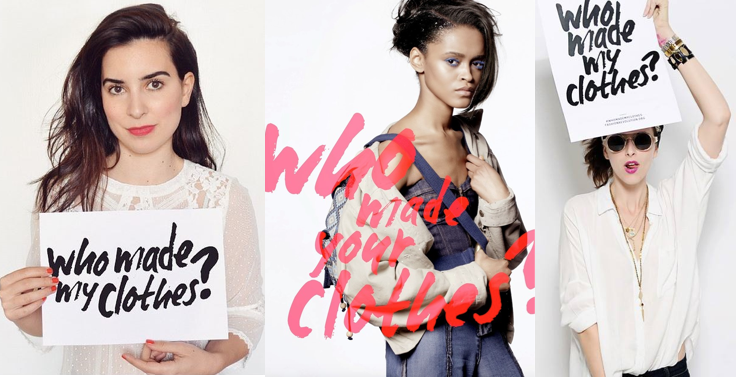
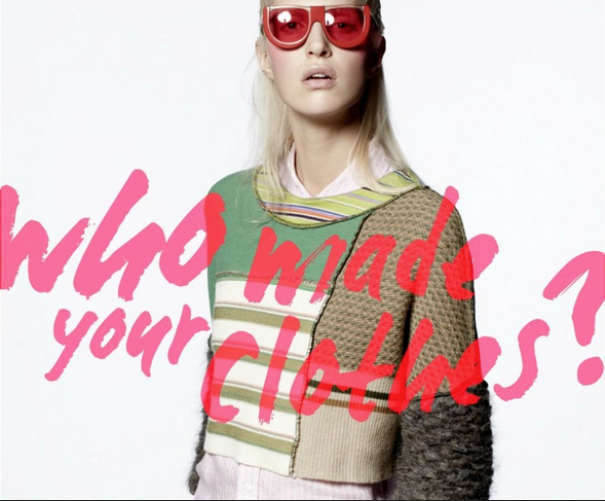
    So who did make your clothes? You might not like the answer… photo courtesy of ShiftLondon.com

    The reason people don’t buy ethical fashion is usually for one of two reasons;

    They think it’s too expensive

    or

    They don’t know what to buy

    So many of us aspire to be conscious consumers and value both the products we buy and, in principle at least, the people who make them. Fashion should be fun and creative, a source of pleasure as well as practicality, shouldn’t it?

    At some point you’ve decided you would like to use your consumer power to encourage fashion retailers to provide safe working conditions and pay a living wage all along the supply chain…

    Great! Here’s how:

    1. DON’T CHUCK OUT all your fast fashion. It will just go to landfill, and if you care enough to boycott sweatshops, you probably care about the environment too.
    2. DO FILTER through what you have in your wardrobe already. Bundle up anything that doesn’t fit, anything you haven’t worn for a year or anything you know deep down you just aren’t going to wear, and take it to your local charity shop or clothing recycler.
    3. CONSIDER A PROFESSIONAL STYLIST in to help you assess your wardrobe for colours and styles that particularly suit you and make recommendations about what to buy in future. You might be surprised how affordable stylists can be… Besides, from now on your wardrobe is a collection you invest in, so buying great pieces and making minimal style mistakes is a good thing. Gotta say, I know a local (to me) Kent stylist (check out Elisa Traynor’s website here) who does colour analysis, wardrobe styling and – if you want to push the boat out – personal shopping too. She’s totally realistic about budget and all about wellbeing and body positivity. I have found her colour advice particularly useful when buying new pieces as well working out how to wear existing garments even if they’re the “wrong” colour.
    4. PHONE A FRIEND. If you think hiring a stylist is a rubbish idea, but you have a friend who’s style you admire, maybe ask them to help. Notice for yourself what colours and styles you wear when you get a compliment, and which ones tend to get your friends asking if you’re ok, or make you feel like you need to hit the gym or pile on another layer of makeup.
    5. BE SURE ABOUT WHAT YOU WANT TO BUY. You are no longer shopping on a whim, or buying something just because it’s reduced, or buying garments for a single wear. Be fussy. Only buy clothing you know will suit you and that you will wear for years to come. Invest in classic, beautifully made pieces. I can honestly say that the quality of every single ethically produced garment I have bought has been impressive. From super-soft kids’ t-shirts and jeans, to bamboo socks, linen shirts, gymgear, jackets, sunglasses… everything! Ethical manufacturers want your repeat business and they make products to last. (They also tend to have great customer service, so if you do have a problem, get in touch!)
    6. RETURN ALL THE CATALOGUES you get through the letterbox and unsubscribe to all the fashion marketing emails. Even the ethical fashion ones!! They will only encourage you to impulse buy. When you need something new you will know. That’s the time to look.
    7. LOOK AT THE LABELS! When you know what you have and what you want to buy, start doing some research into your favourite brands. The sad truth is that unless a brand markets themselves as ethical and has certified labelling to prove it, it’s highly unlikely that they are. If a company is going to go to all the trouble and extra expense of meeting ethical standards, they are going to display evidence loudly and proudly that they are doing so. Check out Ethical Consumer website for the labels to look for.
    8. NO JOY WITH THE LABEL? Consider where your garment was made – clothing manufacturers are required by law to include a “Made in…” label in every garment.
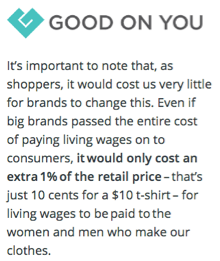
      From the website “Good on You” click to see full article.

      Personally, I don’t want clothing brands to take their manufacturing away from China or the many third world countries that rely on our trade. I would just like those companies to pay their workers a living wage. Bear in mind that a living wage in Bangladesh is not the same as a living wage in the UK, so this wouldn’t necessarily hike up the prices of mass produced clothing in a dramatic way… what it would mean is that the largely female workforce could afford to eat, have somewhere safe to live, provide adequate childcare or education for their children (so they don’t become the next generation of slaves) and have a small amount of disposable income. However, in terms of avoiding sweatshops, some ethical shoppers choose to buy garments which are made in Europe, USA, Australia or any other country where workers’ rights are protected. Don’t kid yourself that these countries don’t have sweatshops too though! If the garment you’re buying is super cheap, it was probably made in a sweatshop. Use social media to ask the question, “Who made my clothes”. If you get a quick, clear answer, great! Kerching! If you get a lengthy ethical policy full of good intentions but no actual commitment to a living wage and safe working environment… it’s buyer beware. Most likely you will hear nothing. Come to your own conclusion.

    9. GO THROUGH THE 5 STAGES OF LOSS AND GRIEF. It’s tough. But you can do it.
    10. SEARCH FOR NEW BRANDS TO LOVE. There is an absolute plethora of exciting brands which go about setting up or using worker’s cooperatives, Fairtrade factories and the like. They empower employees, providing them with fair pay, healthcare, childcare and a chance to escape poverty and abuse. That’s something you want to be a part of! Some brands are listed in the Love this! section of this very website and over time I will try to list many more. But for now, be an eo-warrior and search on Ecosia (find out about Ecosia here) for ethical fashion, ethical clothing… something like that.
    11. SHOP THE SALES. Some ethical brands are more expensive to buy than high street brands. It’s true. (But they last longer and mean you aren’t contributing to human trafficking, slavery etc, so it’s worth a bit more, right?)  Try new brands when they come on sale. I am always surprised how early in the season this happens. My children and I are usually still wearing woollies when Summer clothing goes on sale, so wait till you actually want to wear new season’s clothing before you shop.
    12. TAKE ADVANTAGE OF FREE DELIVERY AND RETURNS. Not shopping on the high street (with very few exceptions) usually means you can’t try clothing on before you buy. Once you get to know a brand, you will know how it fits. In the early days, buy two sizes and return one, or just be prepared to send something back if it arrives and you don’t love it. Easy.
    13. SPREAD THE WORD. Over a relatively short period of time you will develop a list of go-to brands. I make a point of giving these brands as gifts and telling anyone who compliments me where an item is from. Don’t forget to tag brands if you post images on social media too!

    I always love to hear from readers about their ethical fashion journey… what brands do you love? How did you manage the change from fast fashion to slow fashion? What made you make your own pledge to shop sweatshop free? Let me know… Email: kate@strippedbarefashion.com Twitter: @manytimesmummy Insta: @stripped.bare.fashion

    Featured image credits: “Who made my/your clothes?” dazedimg.dazedgroup.netdna-cdn.com, makeandbelievemagazine.com, ravishly.com
  • PICO pants

    PICO pants

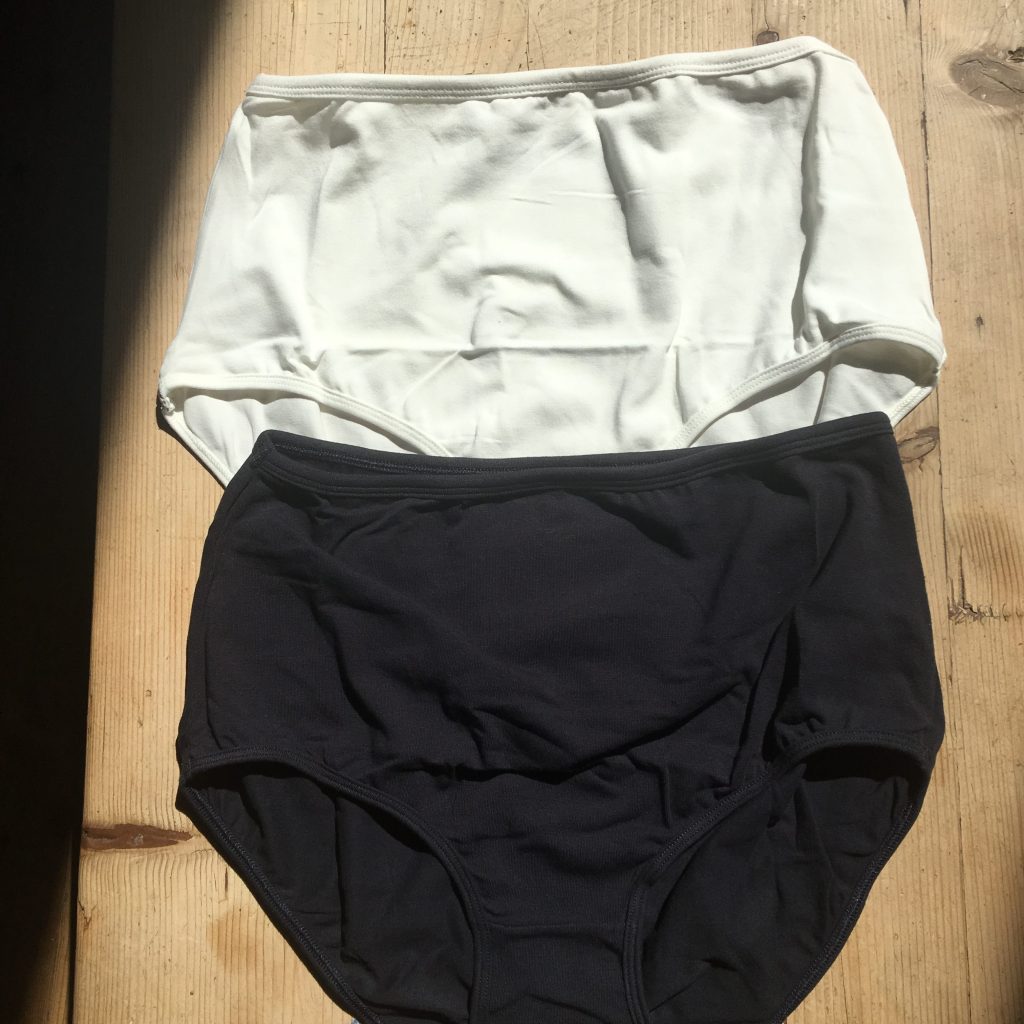
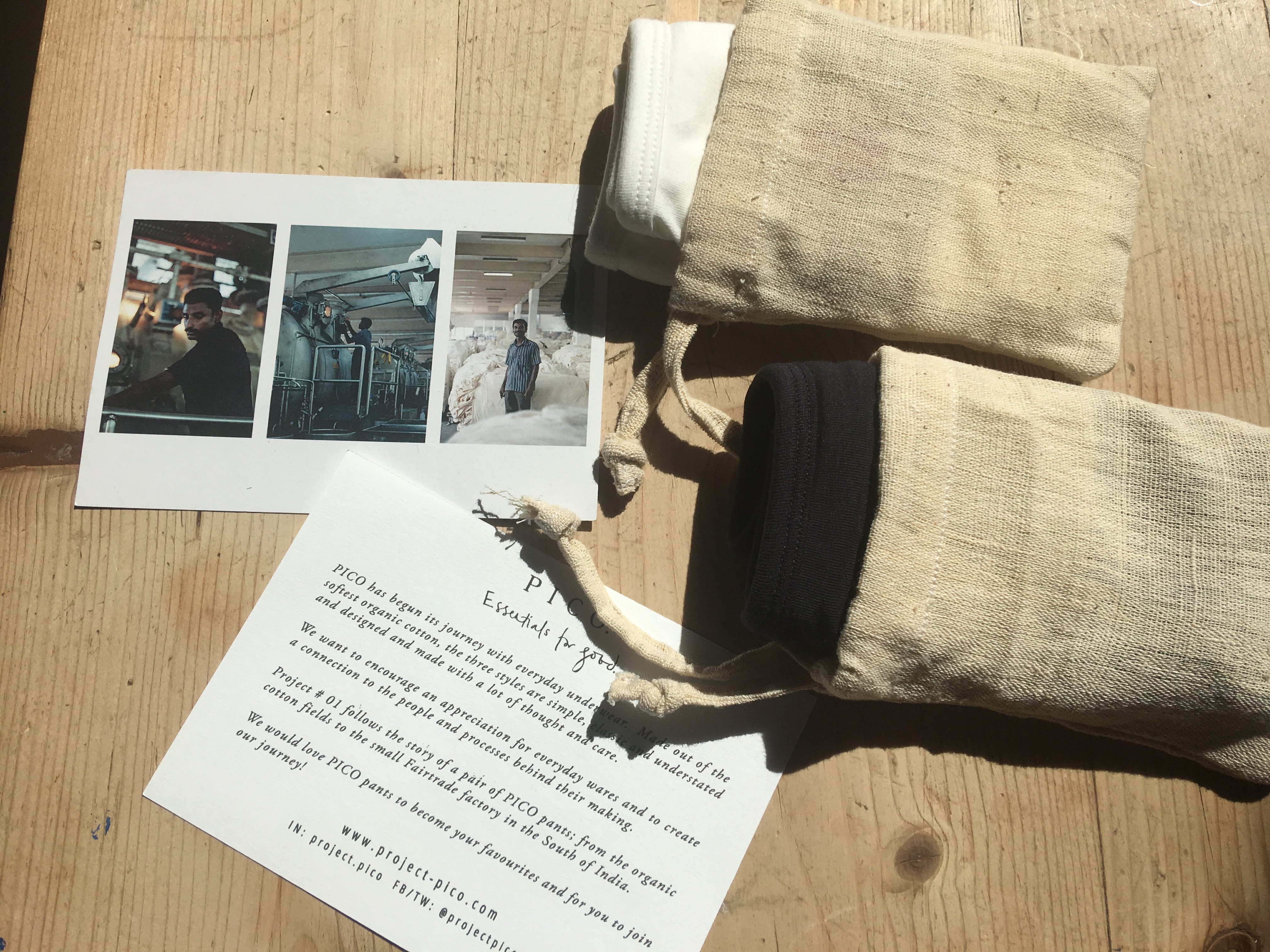
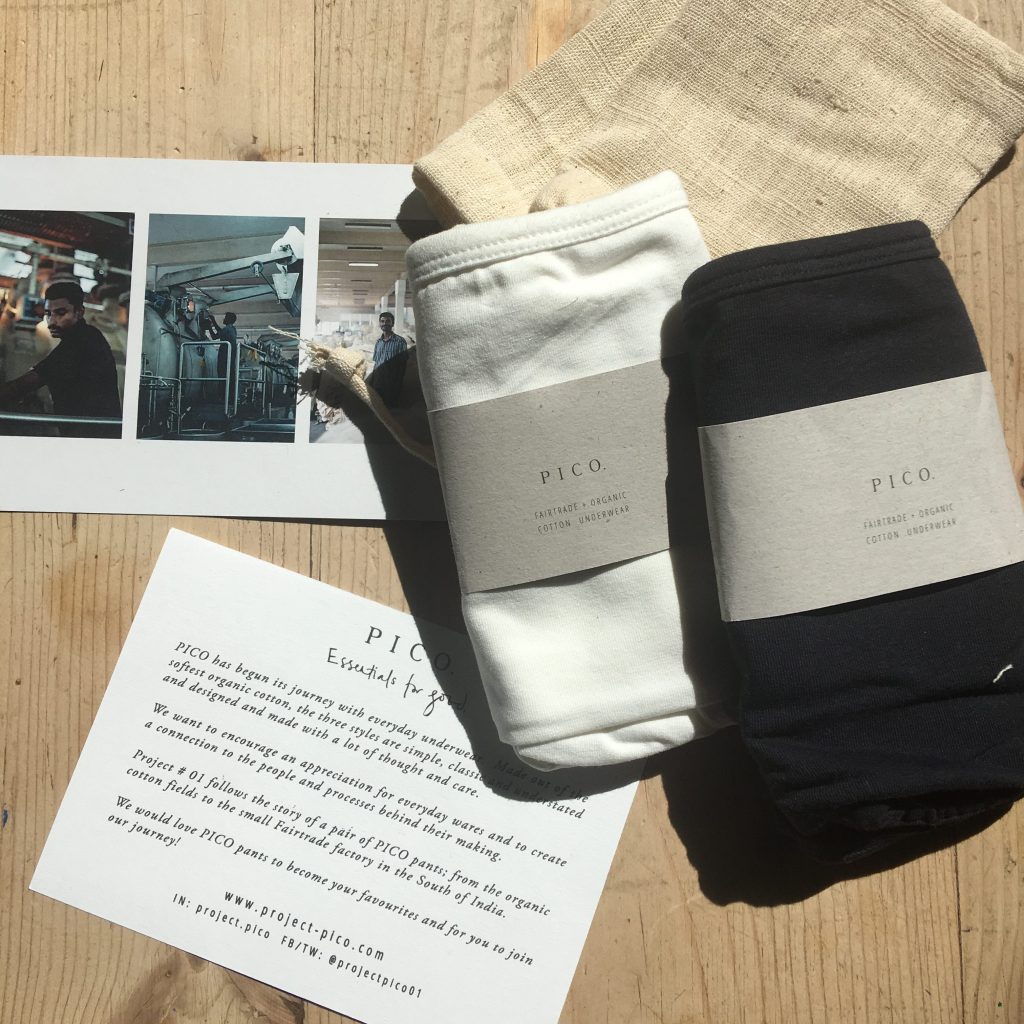
    PICO pants, organic, ethically made pants for men and womenThere’s ethical fashion which isn’t as bad as fast fashion, and then there’s ethical fashion which is beautiful, inspiring and thoroughly lovable. PICO is the latter.
    Before we even start talking pants, you have to pop over to their website and have a look at the story of how their product is made… It strikes me that the first image is of organic cotton seeds, but they are not seeds alone, they are in the hands of the farmer who sows then. He/ She is the very first person in so many garment supply chains, whose life is undoubtedly improved by not being exposed to chemical farming. And on the story goes, through each process, detailing how PICO choose to minimise environmental impact and maximise social responsibility.

    After their pants are constructed in a Fairtrade factory in India, they are shipped to the UK and appear online, ready for us to buy. When they arrive you’ll even find the packaging thoughtful, stylish and simple!

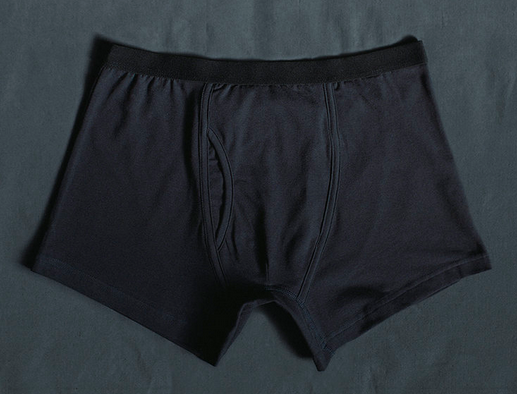
    PICO trunks organic and fairtradeMen’s trunks

    I was lucky enough to stumble across the PICO team at Fare Healthy, in 2016. I bought a pair of trunks for my boyfriend, who loved them so much he bought another three, and then another three and then another! He’s such a fan. Their “dark-navy grey” (which I have until researching this post thought was black) Trunk Shorts are really soft, comfortable and well fitting with a front pocket opening, and their New Trunks are slightly slimmer and fly-free.

    Women’s knickers and briefs

    I can’t say generally that I’m a fan of Big Knickers… or at least I wasn’t until my dear friend and Pilates teacher, Suzi, told me how confronting it is at times when her Pilates students bend and stretch in almost any kind of legging. Are you with me on the visual? (ie even if you prefer scanty panties for general wear, spare a thought for exercise instructors and consider investing in some of these…)
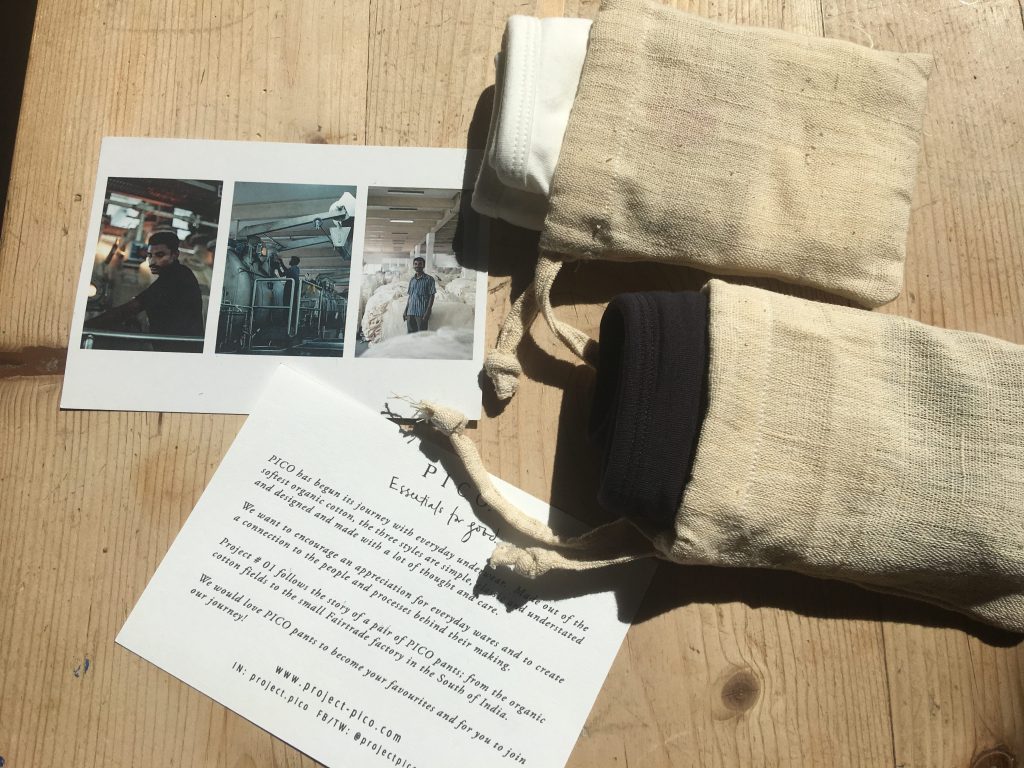
    So I bought myself a couple of pairs for decency, and have to say, whether it’s the beautiful cut or the super soft organic fabric they’re made from, PICO pants can’t be beaten for comfort.

    Naturally, I bought Suzi a couple of pairs of PICO pants for her birthday and she is now a convert too.

    More than just pants… about PICO

    PICO pants looks to be the first project run by two fashion and ethics inspired women. On their website, it’s really interesting to read about their careers and business development to date, and to see the whole supply and production chain illustrated so clearly. Here’s hoping for more exciting projects from these two in the near future!

    PICO pants full briefs for women organic fairtrade

    [divider]

    Do you know an underwear retailer with great ethics at the heart of their business? We’re always looking for interesting brands to feature… check out our media page for more information and get in touch.

  • Tailored ethical denim SS18

    Tailored ethical denim SS18

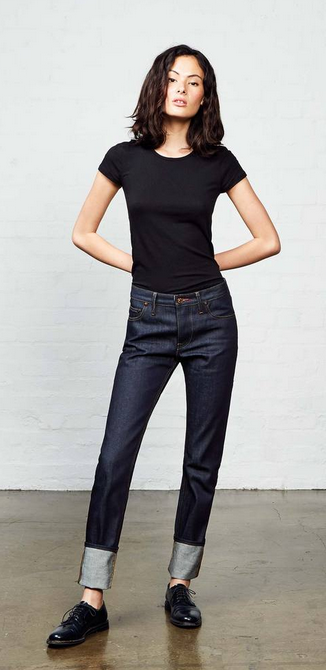
    Tailored – almost unisex – but without the slouchiness of a boyfriend jean: The Coda from Hiut is a jean to buy this year and wear for many!

    Looking to invest in ethical denim for the coming season? There are some really interesting and progressive denim brands who pride themselves on both the quality of their product and their transparency all along the supply chain.

    If you’re loving SS18’s tailored denim trend, it’s time to put aside your distressed jeans for gardening and start thinking structured shapes and deep indigo washes.

    Let’s start at the bottom…

    The Coda slim fit jeans from Hiut have to be the essential tailored jean. No sign of bleaching or tears, these raw denim beauties are what we might have called “going out jeans” in the 90’s… until we started going out in designer ripped acid wash with fishnet tights underneath. But that’s another story… The Coda is super smart, able to be dressed up with a silk shirt and summer booties, or styled like Hiut’s model with brogues and a fitted t-shirt.

    The cut is masculine without being a boyfriend jean, and Hiut say the raw fabric is quite stiff to begin with. Visit their website for sizing advice, and take their recommendations on breaking them in. I’m saying these are a perfect investment for now and may – one day – evolve into your softest, comfiest and most organically distressed denim.

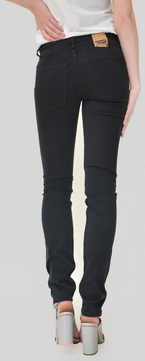
    Black organic sateen skinny jeans from Monkee Jeans
    Black organic sateen skinny jeans from Monkee Jeans

    Another super ethical brand who make great jeans is Monkee Jeans. If you’re a sweatshop free shopper, you’ll be keen on their logo “no blood, no sweat, no tears”… and you might also appreciate that they are one of the more affordable denim designers.

    There’s quite a range of shapes and cuts on the Monkee Jeans website. For a more tailored look, try their organic sateen skinny which can be worn as smart casual with block heels and a blazer, or to create a sexy evening silhouette with a fitted tank or bustier, tuxedo jacket and stilettos.

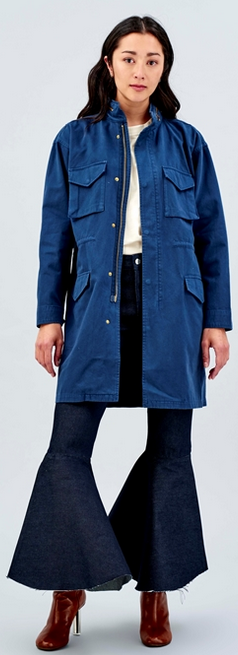
    Its bold, it's boxy, it's the perfect way to wear tailored denim this year and into the future.
    Its bold, it’s boxy, it’s the perfect way to wear tailored denim this year and into the future

    Working our way up…

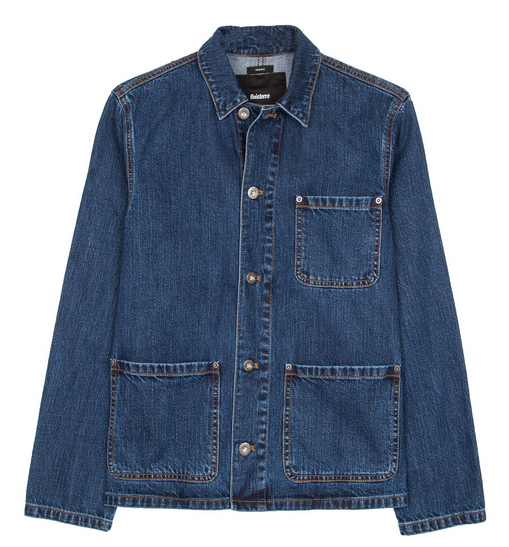
    It’s a denim jacket but not as we know it: Finisterre’s Sinum jacket. Utilitarian, boxy and made from premium 12oz organic cotton denim. Style it with denim shorts or a floaty dress for the weekend, or wear it buttoned up with a brightly coloured silk neck scarf and culottes for work.

    Top to toe denim…

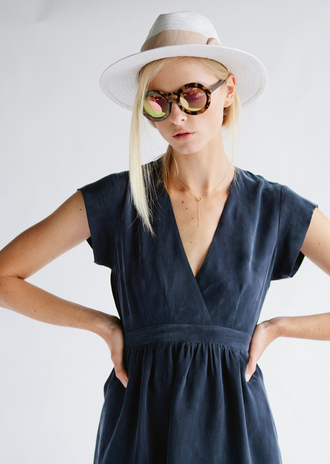
    Laurie dress from Bon George
    She’s not looking happy but we’re loving the Laurie dress from Bon George, made from reclaimed fabric. Clever.

    Ok, so this isn’t actually denim but it’s a gorgeous navy dress – that looks like a lightweight denim – and ticks all the boxes for 2018 and a long time ahead. It’s from LA-based Bon George Conscious Clothing who use salvaged vintage textiles and trims on all their USA-made clothing. Eco… tick. Fair wages… tick.

    Dresses like this one – Laurie – are pieces to treasure in an ethical wardrobe because they’re versatile enough for work or play, and can be layered up or down for multi-season wear.

    Laurie would look brilliant with a crisp white shirt, long boots and a leather jacket for coming Winters. Equally, styled just with the hat, strappy platforms and oversized tortoiseshell glasses, it’s right on trend for right now.

    Over and out!

    Tailored denim is all about structure and detailing, which are not always things we associate with a fabric most famous as workwear. Garments that we don’t expect to be made from denim are perfect for creating the look and make strong statement pieces you can wear in the future too.

    Maria Long jacket from Kings of Indigo

    Kings of Indigo do several overcoats ranging from a swinging belted Gladys trench to the Maria Long coat in a boxy anorak style. (Jan 2019 no longer available)

    I’m not really sure what a lot of the text says on the website as it’s largely in Dutch… but there IS lots of info that makes sense, including their use of sustainable fabrics, their commitment to fair wages and working conditions, their Triple R Policy (Repair, Recycle, Reuse) and their creative ways of finishing garments including low-impact and natural techniques which respect the environment and worker safety.

    [divider]

    I’d love to hear and see what tailored ethical denim you’re thinking of investing in this year and how you’re styling it for SS18. Drop me a line at kate@strippedbarefashion.com, or tag me in social media so I can pass it on!

  • Pretty in ethical pastels SS18

    Pretty in ethical pastels SS18

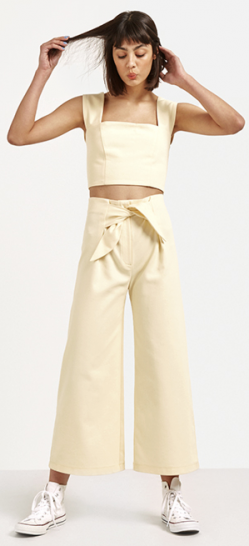
    Yellow Tie Front Wide Leg Culotte
    Ooooh… lemon yellow tie front wide leg culotte from Nobody’s Child

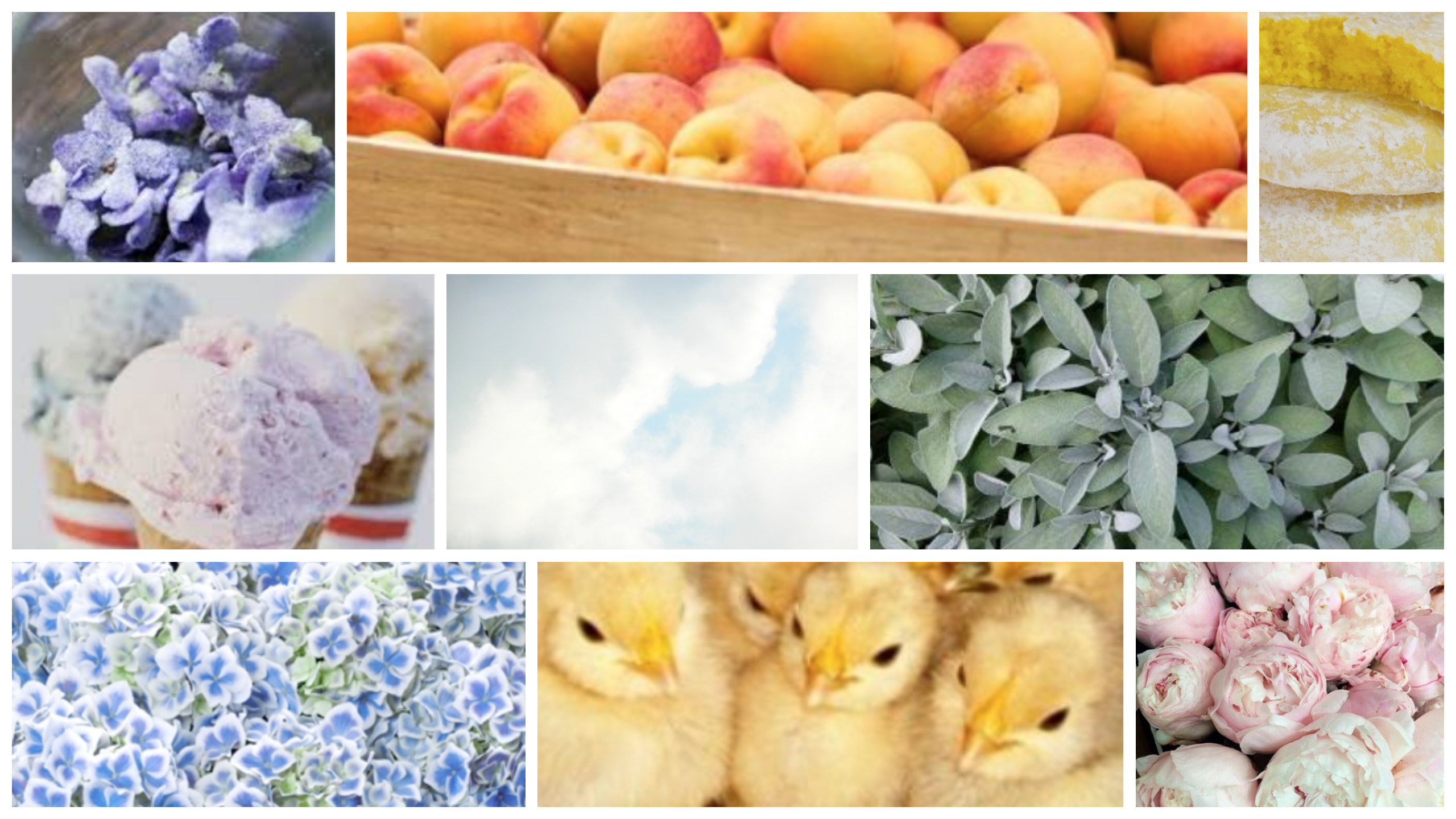
    For Spring/ Summer 2018, the fashion world is offering up all manner of pretty pieces in the softest, most flattering gelato inspired colours.

    But if you’re committed to buying ethical fashion the thought of shopping cheap, throwaway trends is counter-intuitive. If you’re wanting to add some on-trend colour, you don’t have to go head-to-toe pastels! Mint, fuzzy peach, dusty pink and baby blue all look great with your existing black, white or tan basics.

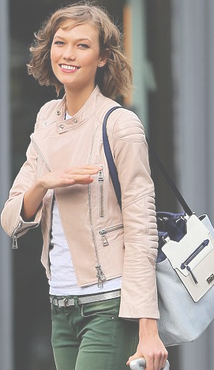
    Steal her style! – Karlie Kloss showing how to pair pastels with olive green and keeping the accessories light.

    To add a touch of pastel, pair a top in your favourite faded shade with a pair of white linen trousers or skirt. Olive green and navy work well too as a good base for adding pastels.

    Keep the look fresh and light with delicate styles – such as strappy sandals and a small clutch or shoulder bag – if you want to wear dark or bright accessories from your existing wardrobe. Personally, I love the contrast of white or tan with pastels and would steer clear of beiges, greys and more earthy shades.

    A combination of different pastel shades works too. Layer up a shabby chic rainbow by pulling together all your old and new pastel items. Don’t forget faded blue denim jeans and jackets which look brilliant contrasted with yellows and pinks and finished with your shiniest white eco-trainers.

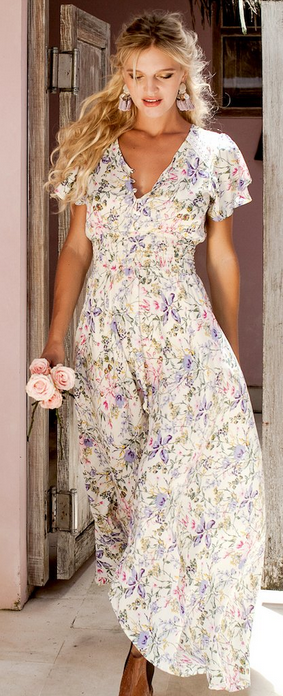
    Floaty fabrics create a feminine look: beautiful maxi dress from BaliElf

    Luxe fabrics work brilliantly to emphasize delicate colours. Consider sueded silks for their muted, peach-skin softness; chiffon for the addition of translucent colour (think a draped scarf or floaty overskirt): or crushed, coloured linen. Embroidery is still strong as a trend and can add some depth and texture.

    SS18 makeup - red lips, minimal makeup, pastel clothing
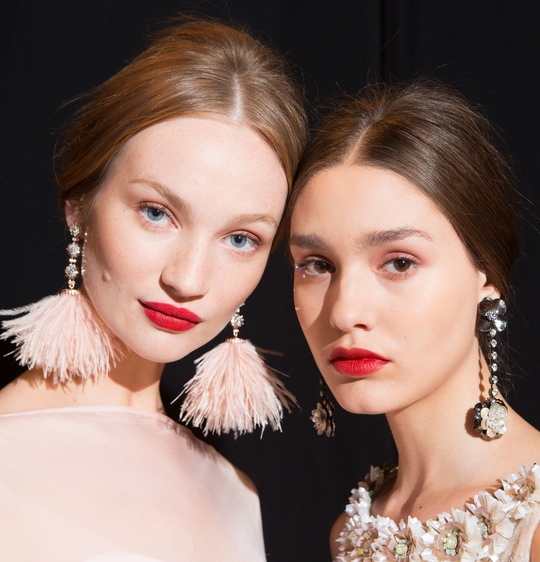
    From Badgley Mischka’s fashion week offerings… barely there makeup and bright red lips work so well with pale and pretty clothing

    Colour advisers suggest you choose shades which contrast with your natural skin tone to compliment your complexion: Try blushed pink or apricot near the face if you have olive skin, yellows and melon for pale, cooler tones, and icy blues or soft sage for those with a rosier complexion.

    Before you dash out the door, give your makeup a moment’s thought. Pearlescent glosses or dewy matt lips in cashmere colours can accentuate the prettiness of pastels. But alternatively, don’t hesitate to go bold with your lipstick. Bright red lips create impact against an otherwise understated palette and look to be a top SS18 makeup trend when worn with otherwise minimal makeup.

    Last but not least, if you want to avoid sweatshop fashion:

    • Buy quality, not quantity – spending more money on a garment that is thoughtfully made will improve it’s longevity and reduce your contribution to clothing landfill
    • Look for brands that promote their business ethics – credentials such as Fairtrade and certified organic are found on labels, or you can easily research ethical policies online
    • Ask online or instore #whomademyclothes
    • Join the ethical fashion conversation by sharing your favourite finds on social media with #fashionrevolution, or tag @kate.adores in your image
    • Follow the links from the images to shop the clothing shown in this article
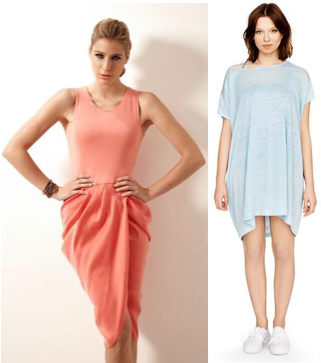
    Dresses in sorbet-soft colours from Outsider fashion: blue lightweight linen tunic and peach bamboo and silk draped dress
    Dresses in sorbet-soft colours from Outsider fashion: blue lightweight linen tunic and peach bamboo and silk draped dress