The Fashion for Climate movement is gathering pace, and we’d love you to be a part of it.
Eco-and ethical- fashion brand, Vildnis, have started a petition calling on the UK government to ban the use of the most polluting fibres in fashion by 2025. FYI, those fibres are conventional cotton, generic viscose and virgin polyester… who needs them to have beautiful, affordable, stylish fashion?!?
If you’d like to have a look at some seriously stylish, contemporary, edgy and beautifully made fashion, all of which is delivered with the utmost of social and environmental responsibility, check out the range at Vildnis. For example…
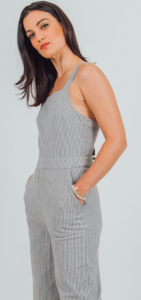
Najac black sustainable boiler suit… love this!Setouchi sustainable tiger print jumpsuit…Skagen stripe organic cotton jumpsuit… casual gorgeousness for Summer!
—
I’ll be promoting the petition and sharing some of my own Vildnis collection over on @ Stripped.Bare.Fashion, as well as wearing some beautiful new pieces from the current and upcoming seasons. We’d love you to sign and share the petition… spread the word… be part of the change we all want to see!
My white Vildnis shirt… love the contemporary style. It’s not new, and it’s definitely a keeper!
Sustainability is rapidly becoming a word that companies across all sectors want to use to market their brand. It’s been talked about within fashion for decades, but maybe 2021 will be the year we really demand it from the fashion retailers we know and love?
If you’d like to add sustainability to your style must haves, here are some great places to look:
Looking to update your wardrobe with this season’s best ethical boots… have a look at these:
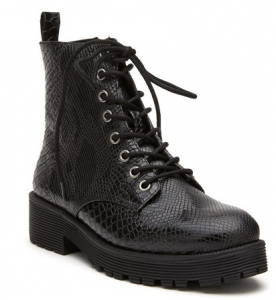
Lotus boots from Matisse Footwear
Military
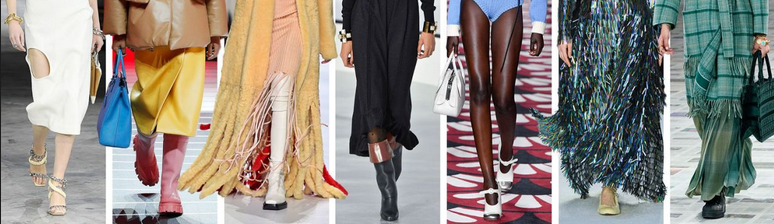
Chunky, black boots have been all over the catwalk this season, and seem to be styled with everything from silk dresses to camo joggers.
Fancy stomping around in a pair of combat boots? These Lotus boots from Matisse Footwear come in brown, black and white, and cost $95USD plus shipping to your door. A sturdy investment for years to come, military styling seems to come in and out of fashion every few years… just remember to store them safely once you’re sick of them (clean, polish, wrap in a fabric bag) and feel the joy when, in another few years time, you want to go military again and you already own the perfect boots!
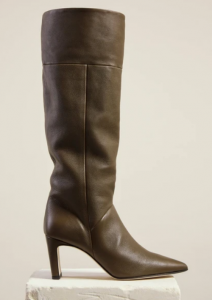
What’s not to love about knee high boots? Knee highs with a heel give the illusion of legs that go on forever and shamelessly channel Victoria Beckham’s understated chic. Even the flattest, most sensible varieties are kinda sexy while at the same time really warm (especially with a lovely thick pair of knee high socks underneath! Sexy and sensible??)
Dear Frances shoes and boots have been a big hit with stylish celebs like Margot Robbie, the Hadid sisters, Kaia Gerber, Selena Gomez, Zoe Kravitz, Emma Roberts and Sienna Miller, to name drop just a few. Their beautiful craftsmanship is regularly reviewed: great styles and comfortable heels which will see you through a day on your feet. These are Sleeve boots in Olive, though also available in a beautiful low-sheen black and creamy-rich oyster, retailing for £720.
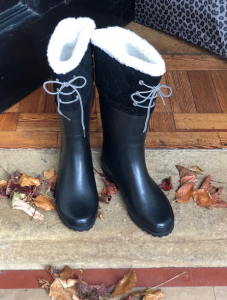
Ok, not so much a trend, but an essential part of a working Winter wardrobe, especially if you walk dogs, or stand on the sidelines of football/rugby/netball games. I’m talking properly warm and 100% waterproof.
These Aigle boots – Polka Giboulee in New Noir, currently £70 – are, in my humble opinion, and following quite exhaustive research, the perfect combination of substance and style. Made from natural rubber with a faux fur lining and insole, they also have the lovely quilted top which can be tightened to your calf to keep your toes extra toasty and dry. The heel is good… the grip is good… they’ve got it all.
If they’re not you’re style, Aigle are still worth looking at… tall, short, wide, thin, gloss, gloss quilted, gloss croc!, loads of different colours and shapes to suit everyone. Price wise, they vary. In a sale, I’ve seen these in a navy colour way for less than £50, mid-priced boots are £70-£125, their capsule collaboration (if you want to go gloss croc!) is £220.
Like lots of ethical fashion investments, waterproof boots are perfect to buy at the end of the season, who knows, they could drop by half price or more making your waterproof boot investment a bargain at the same time.
Obv, not everyone is going to have the budget to invest in “designer wellies” but as ever, don’t assume that just because a pair of wellies (or anything else) is expensive, it’s been made with care for the environment or the people who made it. For example, Hunter wellies, which you could be forgiven for thinking were quintessentially British, have not been manufactured in the UK for over a decade, having moved production to the far east in 2008. According to Ethical Consumer magazine, Hunter Boot Ltd is “least engaged in sustainable fashion”, gets the “worst ethical consumer rating for environmental reporting”, “operates in oppressive regimes” and “140 staff were taken to hospital from one warehouse in four years.”
[divider]
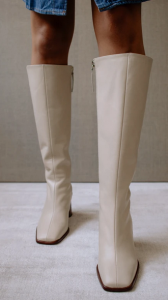
Alohas East boots in off white
White boots and riding boots
I’m sure I have it on good authority that one should never wear white shoes… but clearly 2020 is a year to update the fashion rule book!
These gorgeous East boots from Alohas (€246.00 on pre-order) tick the box for two of this season’s best trends: white boots AND riding boots. They come in off white (shown), lilac, burgundy and croco brown. (More croc! Clearly a trend in itself!)
Alohas are proud pioneers of a new, eco-conscious on demand production model. Not only does reducing over-production minimise waste and landfill, it also reduces the cost of delivering higher quality, luxury design. Read more about Alohas social and environmental credentials here.
An expertly crafted pair of boots like these will literally last for decades if you clean them and care for the leather, so if you’re well stocked in black and brown boots and fancy adding an unusual colour to your wardrobe, now’s your chance.
[divider]
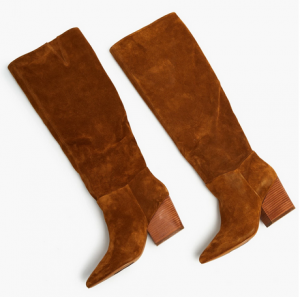
Rojas Tall Boot in Tobacco suede
Suede boots
If boho is your vibe, you need to get a pair of slouchy suede boots. Let me introduce you to Rojas Tall Boot in Tobacco Suede for £143, from ABLE.
Suede can take a bit more care and effort to look after than standard leather, but the pay off is its peach-fuzz softness and the subtle retro style it lends to an outfit.
The best tip for suede is to buy a good waterproofing spray and spray before wear. Follow the instructions on the can – if it says spray twice, spray twice – and let it dry completely before you go out. If you happen to get mud on suede boots, let it dry, then use a wire suede brush to gently clean it off. At the end of the season brush them thoroughly all the way to the top, gently rubb of any marks with a slightly damp cloth and store them somewhere dry. Before you wear them the following winter, spray them with waterproof spray again…
Other brands making conscious winter boots in styles you might like are:
Collection + Co – gorgeous capsule collection of shoes and boots featuring both classic styles and this season’s trends. Affordable too, and vegan.
Beyond Skin – “genuinely not leather” vegan shoes and boots. Loads of you’d-never-know-it-was-faux leather and suede in a wide variety of timeless shapes and styles.
Rockfish – huge variety of wellies (tall, short, adjustable, Chelsea boot style, matt, gloss, kids’, mens’… have a look) All made in the UK from natural rubber.
Taylor + Thomas – “radical luxury”, edgy luxe shoes and boots.
Green Shoes – small but colourful range of sturdy flat boots, expertly crafted in Dartmoor.
We’re all in this together, right? All of us who love ethical fashion and are inspired by its ability to change the world are likely to achieve more if we work together. Whether sharing ideas via online forums or chatting with other conscious fashion fans via Instagram… personally, sharing the journey and connecting with others drives up both my inspiration and ambition.
Team work makes the dream work! Here we are, all the contributors together and not a lonely heart in sight!
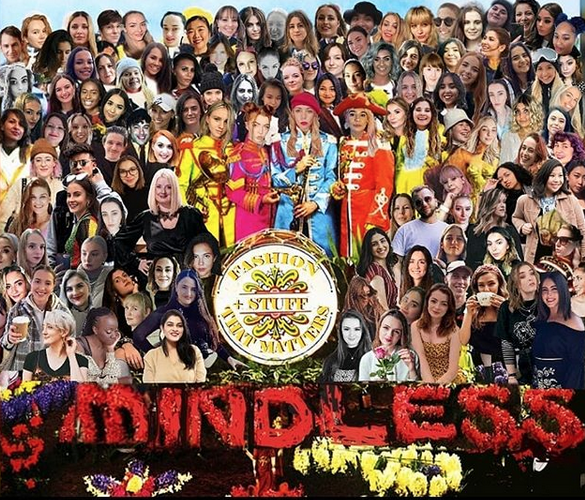
Last year I was lucky enough to be invited to write for Mindless Mag. Editor is ethical fashion powerhouse Laurie Stewart and after a year of online success she was keen to put together a Special Edit annual. We had such a good chat about her journey, the creation of her magazine and the online courses she was keen to start up… about some brilliant internships and influencer takeovers she had set up, how she is creating information and opportunities for fashion students and essentially anyone who might be interested… she’s starting conversations and engaging people without preaching.
Laurie describes Mindless Mag as being about “FASHION + stuff that matters”. The piece I wrote comes under the Fashion + Mental health banner and is available now with the full magazine here.
Laurie and her writers fearlessly tackle other issues too: Fashion + Consumerism, Fashion + Climate Change and Fashion + Veganism. Flick through, be challenged or enlightened or enraged, whatever floats your boat… and of course lots more information is available on the Mindless Mag website.
Want to collaborate? I’d love to hear from you. I’m always looking for interesting freelance writing assignments and keen to act as a brand ambassador for ethical fashion brands. I also have a head full of ideas, so if you want to get started but aren’t sure how, drop me a line: kate@strippedbarefashion.com
The start of the year always seems like a good time to review the past and plan for the future. With so much going on to raise concern over climate change, now is a great time to look at the environmental impact of what we buy as individuals, as well – of course – as looking to government and corporate entities for leadership. Let’s start with the wo/man in the mirror!
Quick and easy and done before the end of January…
Any charity shop is a good charity shop for eco-purposes… but if you want one that’s highly rated, read the Spectator’s article here…
This year, you’re not just dropping your old clothes in a charity bin, you’re going into a charity shop, and here’s why…
I know I’m not the only one who feels lighter and freer after a good sort out. While it’s cold and miserable outside anyway, try setting aside an afternoon to go through your wardrobe and pull out all the clothing that you’re ready to send off to a new life. I’m a fashion collector myself, so I’m not going to tell you to throw away anything you haven’t worn for a year, as some of my favourite bits haven’t been worn for ages… but I know I will love them again in years to come. No, the things you chuck out should be the items you know don’t suit you, the items you always look at and think “nah” and anything that doesn’t actually fit. Go through shoes while you’re at it.
Be honest. Getting rid of clutter creates space for good things to come in to your life.
Sorting out a child’s wardrobe can be quite easy and life-lightening too. I say easy because when they’re grown out of it, they’ve grown out of it and there’s really no going back. If you’re saving it for a smaller sibling store it carefully.
Collect up everything you want to get rid of and take it INTO A CHARITY SHOP. No dropping it in a charity bin. Eco-warriors want you to go in to the shop and here’s why: if your plan is to be a good recycler, you need to be at both ends of the arrow, giving and taking. Buy a couple of items from a charity shop that you would have otherwise bought new and you reduce your carbon footprint.
Items which particularly lend themselves to second hand shopping are well made jackets and overcoats, as well as leather and denim items which you can treasure for their cool, vintage cut and patina. Once you get your eye in, charity shops can also be a great place to find accessories like silk scarves and retro sunglasses.
Discover a new and exciting brand…
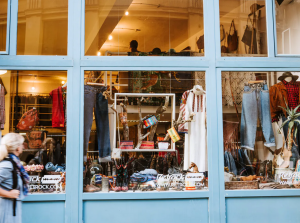
Friends often ask me where to shop for ethical clothing. I’ve listed some of my favourites in Love this! but I am just one person sitting at my computer trying to manage my life while avoiding sweatshops, and without nearly enough time to list all the brands I love and trust. (I’m working on it, but it’s a slow process.)
Try doing a few online searches of your own. Use terms like ethical, organic, Fairtrade, made in UK, slow, conscious, vegan, eco and environmentally-friendly. None of these guarantee you’ll find what you’re looking for, but often brands which subscribe to one of these values will subscribe to many. I’ve discovered interesting new brands searching for things like “conscious fashion for teens”, “vegan boots”, “affordable and ethical clothing”, “sweatshop free sportswear”, “which brands use diverse models?”, “men’s slow fashion”, “ethical bohemian dresses”, “conscious swimwear brands”… you get the idea. If you’ve got half an hour to fiddle about on the computer, get yourself a cup of tea and see what you can find. BTW if you do make a great discovery, email me, PLEASE?? I’m always looking for new brands to try and recommend. kate@strippedbarefashion.com
Test the idea that you can’t afford ethical clothing…
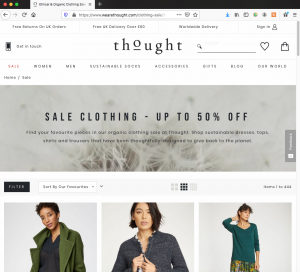
If you like the idea of shopping sweatshop free and being more environmentally friendly… but one of the things stopping you is the generally higher price tag, sale shopping is a great way to dip your toe in the water.
Shop the ethical fashion sales!
I can honestly say that without exception, the ethical clothing items I have bought over the last seven years have not disappointed. The fabric is better, the manufacturing quality is better, it lasts longer, it fits better, and of course the feel good factor soars. So find a brand that you might normally think costs more than you’re willing to pay and buy something for next winter! At the end of winter 2018 I bought a rain jacket I had been eyeing all season but couldn’t quite afford to buy… when it slipped to 70% off in the end of season sale I snapped it up, put it in my cupboard with the tags still on and smugly brought it out at the start of winter 2019. I routinely do just the same for the children’s bigger ticket items like coats, knitwear and good quality denim.
If you like these ideas, let me know! kate@strippedbarefashion.com And share your own ideas too… what tips have you got for upping your ethical credentials in 2020?
A friend has asked me to put together a list of ethical brands which cater to size 18-20…
Here is what I could find:
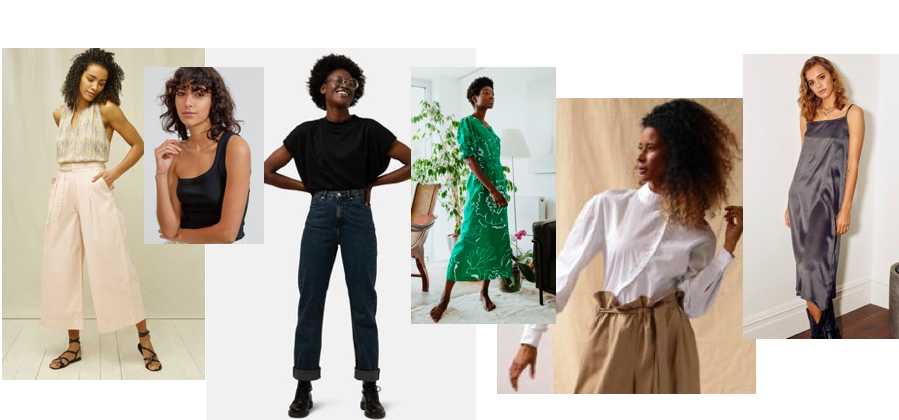
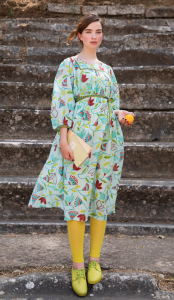
Gudrun Sjoden – always a favourite for beautiful shapes and colours in all sizes. You’ll love the fact they use a diverse range of models, and that the clothing wears well. Save some cash by signing up for the catalogue and taking advantage of their early bird and club prices.
There’s also lovely, lovely Seasalt, which goes up to a 26 on some sizes, and fairly regularly up to a 20. I particularly like their dresses and coats which I find very generous. I also like that everything is designed to be worn with a bra and offers good coverage on backs and arms. There’s no skimping on fabric to make a cheaper piece of clothing, but equally, it’s not too expensive. Another rare feature of Seasalt is that you can find them on the High Street, so you can pop in and try things on to make sure you’ve got the right size… then make future purchases online if you prefer.
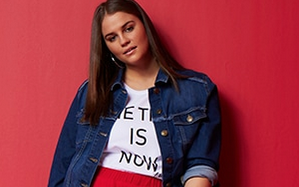
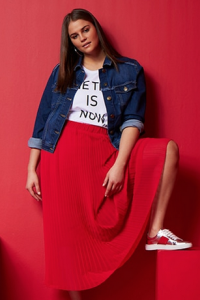
Here’s a new discovery! Ulla Popken! I love finding new brands to love and tell people about! If you’re just starting your ethical fashion journey and want to dip your toe in the water with some not-too-pricey items, this website is really exciting. Sale items and a designated Outlet link, as well as reasonable prices on the non-sale items too. They’re not Primark prices, but that’s because they’re not made by child slaves… I digress. Sizes start at a 16, so you know you’re buying clothing that is especially made for your size and shape… and there’s A LOT to choose from.
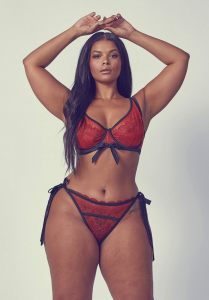
If you’re looking for ethical swimwear and lingerie – some pretty retro, some super sexy, some just straight-down-the-line lovely – check out Kiss Me Deadly. (I hear it like Scarlett O’Hara saying, “Kiss me Rhett,” and you might too, now. Sorry.) Kiss Me Deadly is an independent, UK based lingerie brand who produce their own range as well as retailing other independent brands. They’re online only, so your first purchase is a leap of faith, but don’t hesitate to contact them for assistance if you need to. Lots and lots of different shapes and sizes, diverse body types are definitely celebrated and you can even sort products by size you don’t end up accidentally falling in love with something that doesn’t come in your size.
I’ve got to go and wanted to post this today, so publishing and dashing off! Just quickly though… while doing my research for this I also found an article which details a number of interesting looking brands from USA and Canada. It’s worth checking through as I’m sure some would happily ship to other parts of the world… Article is here.
Let me know if you’ve had good experiences with any of these brands or if you know of brands I should add to the list kate@strippedbarefashion.com
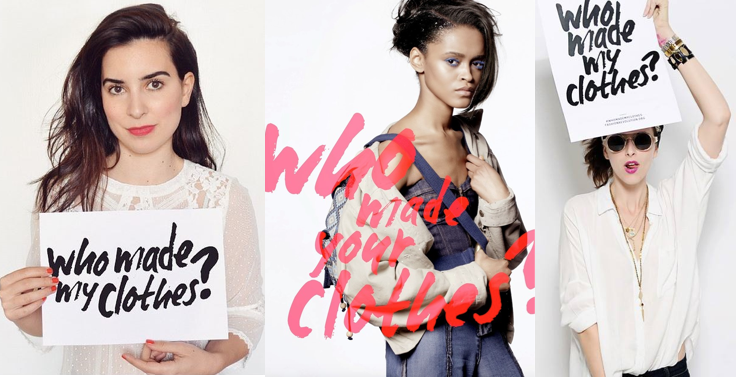
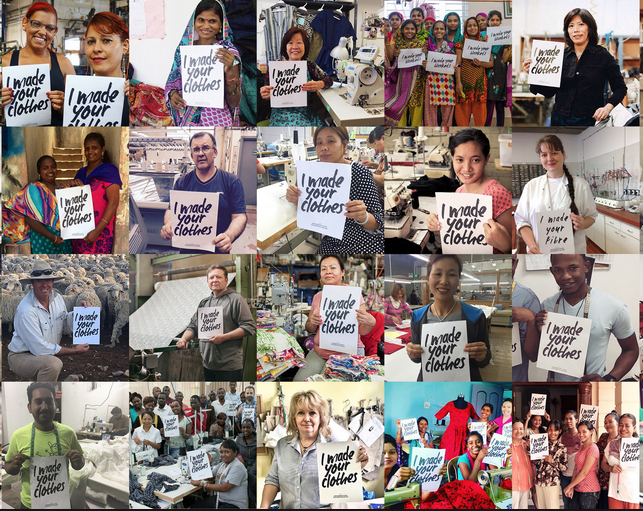
So who did make your clothes? You might not like the answer… photo courtesy of ShiftLondon.com
The reason people don’t buy ethical fashion is usually for one of two reasons;
They think it’s too expensive
or
They don’t know what to buy
So many of us aspire to be conscious consumers and value both the products we buy and, in principle at least, the people who make them. Fashion should be fun and creative, a source of pleasure as well as practicality, shouldn’t it?
At some point you’ve decided you would like to use your consumer power to encourage fashion retailers to provide safe working conditions and pay a living wage all along the supply chain…
Great! Here’s how:
DON’T CHUCK OUT all your fast fashion. It will just go to landfill, and if you care enough to boycott sweatshops, you probably care about the environment too.
DO FILTER through what you have in your wardrobe already. Bundle up anything that doesn’t fit, anything you haven’t worn for a year or anything you know deep down you just aren’t going to wear, and take it to your local charity shop or clothing recycler.
CONSIDER A PROFESSIONAL STYLIST in to help you assess your wardrobe for colours and styles that particularly suit you and make recommendations about what to buy in future. You might be surprised how affordable stylists can be… Besides, from now on your wardrobe is a collection you invest in, so buying great pieces and making minimal style mistakes is a good thing. Gotta say, I know a local (to me) Kent stylist (check out Elisa Traynor’s website here) who does colour analysis, wardrobe styling and – if you want to push the boat out – personal shopping too. She’s totally realistic about budget and all about wellbeing and body positivity. I have found her colour advice particularly useful when buying new pieces as well working out how to wear existing garments even if they’re the “wrong” colour.
PHONE A FRIEND. If you think hiring a stylist is a rubbish idea, but you have a friend who’s style you admire, maybe ask them to help. Notice for yourself what colours and styles you wear when you get a compliment, and which ones tend to get your friends asking if you’re ok, or make you feel like you need to hit the gym or pile on another layer of makeup.
BE SURE ABOUT WHAT YOU WANT TO BUY. You are no longer shopping on a whim, or buying something just because it’s reduced, or buying garments for a single wear. Be fussy. Only buy clothing you know will suit you and that you will wear for years to come. Invest in classic, beautifully made pieces. I can honestly say that the quality of every single ethically produced garment I have bought has been impressive. From super-soft kids’ t-shirts and jeans, to bamboo socks, linen shirts, gymgear, jackets, sunglasses… everything! Ethical manufacturers want your repeat business and they make products to last. (They also tend to have great customer service, so if you do have a problem, get in touch!)
RETURN ALL THE CATALOGUES you get through the letterbox and unsubscribe to all the fashion marketing emails. Even the ethical fashion ones!! They will only encourage you to impulse buy. When you need something new you will know. That’s the time to look.
LOOK AT THE LABELS! When you know what you have and what you want to buy, start doing some research into your favourite brands. The sad truth is that unless a brand markets themselves as ethical and has certified labelling to prove it, it’s highly unlikely that they are. If a company is going to go to all the trouble and extra expense of meeting ethical standards, they are going to display evidence loudly and proudly that they are doing so. Check out Ethical Consumer website for the labels to look for.
NO JOY WITH THE LABEL? Consider where your garment was made – clothing manufacturers are required by law to include a “Made in…” label in every garment.
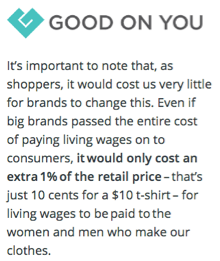
From the website “Good on You” click to see full article.
Personally, I don’t want clothing brands to take their manufacturing away from China or the many third world countries that rely on our trade. I would just like those companies to pay their workers a living wage. Bear in mind that a living wage in Bangladesh is not the same as a living wage in the UK, so this wouldn’t necessarily hike up the prices of mass produced clothing in a dramatic way… what it would mean is that the largely female workforce could afford to eat, have somewhere safe to live, provide adequate childcare or education for their children (so they don’t become the next generation of slaves) and have a small amount of disposable income. However, in terms of avoiding sweatshops, some ethical shoppers choose to buy garments which are made in Europe, USA, Australia or any other country where workers’ rights are protected. Don’t kid yourself that these countries don’t have sweatshops too though! If the garment you’re buying is super cheap, it was probably made in a sweatshop. Use social media to ask the question, “Who made my clothes”. If you get a quick, clear answer, great! Kerching! If you get a lengthy ethical policy full of good intentions but no actual commitment to a living wage and safe working environment… it’s buyer beware. Most likely you will hear nothing. Come to your own conclusion.
GO THROUGH THE 5 STAGES OF LOSS AND GRIEF. It’s tough. But you can do it.
SEARCH FOR NEW BRANDS TO LOVE. There is an absolute plethora of exciting brands which go about setting up or using worker’s cooperatives, Fairtrade factories and the like. They empower employees, providing them with fair pay, healthcare, childcare and a chance to escape poverty and abuse. That’s something you want to be a part of! Some brands are listed in the Love this! section of this very website and over time I will try to list many more. But for now, be an eo-warrior and search on Ecosia (find out about Ecosia here) for ethical fashion, ethical clothing… something like that.
SHOP THE SALES. Some ethical brands are more expensive to buy than high street brands. It’s true. (But they last longer and mean you aren’t contributing to human trafficking, slavery etc, so it’s worth a bit more, right?) Try new brands when they come on sale. I am always surprised how early in the season this happens. My children and I are usually still wearing woollies when Summer clothing goes on sale, so wait till you actually want to wear new season’s clothing before you shop.
TAKE ADVANTAGE OF FREE DELIVERY AND RETURNS. Not shopping on the high street (with very few exceptions) usually means you can’t try clothing on before you buy. Once you get to know a brand, you will know how it fits. In the early days, buy two sizes and return one, or just be prepared to send something back if it arrives and you don’t love it. Easy.
SPREAD THE WORD. Over a relatively short period of time you will develop a list of go-to brands. I make a point of giving these brands as gifts and telling anyone who compliments me where an item is from. Don’t forget to tag brands if you post images on social media too!
I always love to hear from readers about their ethical fashion journey… what brands do you love? How did you manage the change from fast fashion to slow fashion? What made you make your own pledge to shop sweatshop free? Let me know… Email: kate@strippedbarefashion.com Twitter: @manytimesmummy Insta: @stripped.bare.fashion
Featured image credits: “Who made my/your clothes?” dazedimg.dazedgroup.netdna-cdn.com, makeandbelievemagazine.com, ravishly.com
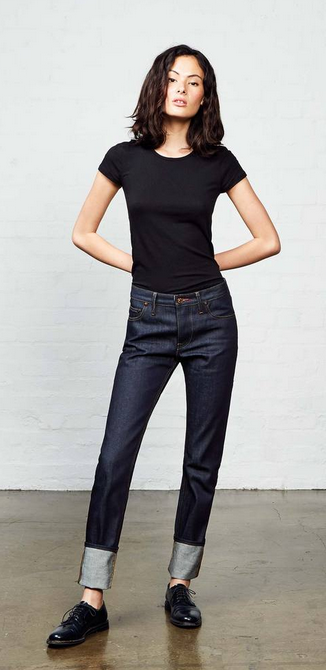
Tailored – almost unisex – but without the slouchiness of a boyfriend jean: The Coda from Hiut is a jean to buy this year and wear for many!
Looking to invest in ethical denim for the coming season? There are some really interesting and progressive denim brands who pride themselves on both the quality of their product and their transparency all along the supply chain.
If you’re loving SS18’s tailored denim trend, it’s time to put aside your distressed jeans for gardening and start thinking structured shapes and deep indigo washes.
Let’s start at the bottom…
The Coda slim fit jeans from Hiut have to be the essential tailored jean. No sign of bleaching or tears, these raw denim beauties are what we might have called “going out jeans” in the 90’s… until we started going out in designer ripped acid wash with fishnet tights underneath. But that’s another story… The Coda is super smart, able to be dressed up with a silk shirt and summer booties, or styled like Hiut’s model with brogues and a fitted t-shirt.
The cut is masculine without being a boyfriend jean, and Hiut say the raw fabric is quite stiff to begin with. Visit their website for sizing advice, and take their recommendations on breaking them in. I’m saying these are a perfect investment for now and may – one day – evolve into your softest, comfiest and most organically distressed denim.
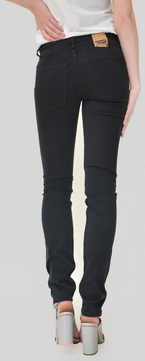
Black organic sateen skinny jeans from Monkee Jeans
Another super ethical brand who make great jeans is Monkee Jeans. If you’re a sweatshop free shopper, you’ll be keen on their logo “no blood, no sweat, no tears”… and you might also appreciate that they are one of the more affordable denim designers.
There’s quite a range of shapes and cuts on the Monkee Jeans website. For a more tailored look, try their organic sateen skinny which can be worn as smart casual with block heels and a blazer, or to create a sexy evening silhouette with a fitted tank or bustier, tuxedo jacket and stilettos.
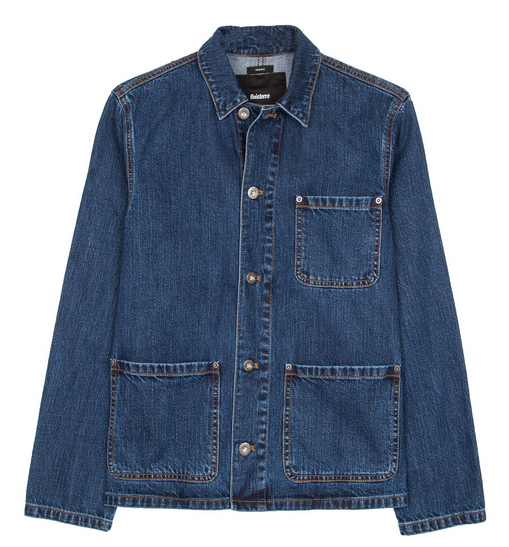
Its bold, it’s boxy, it’s the perfect way to wear tailored denim this year and into the future
Working our way up…
It’s a denim jacket but not as we know it: Finisterre’s Sinum jacket. Utilitarian, boxy and made from premium 12oz organic cotton denim. Style it with denim shorts or a floaty dress for the weekend, or wear it buttoned up with a brightly coloured silk neck scarf and culottes for work.
Top to toe denim…
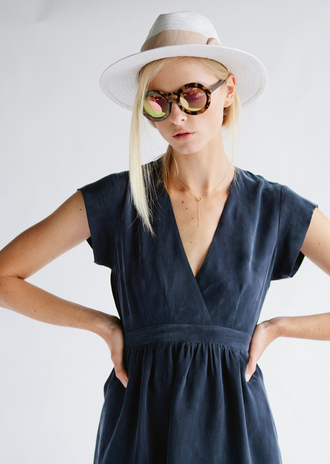
She’s not looking happy but we’re loving the Laurie dress from Bon George, made from reclaimed fabric. Clever.
Ok, so this isn’t actually denim but it’s a gorgeous navy dress – that looks like a lightweight denim – and ticks all the boxes for 2018 and a long time ahead. It’s from LA-based Bon George Conscious Clothing who use salvaged vintage textiles and trims on all their USA-made clothing. Eco… tick. Fair wages… tick.
Dresses like this one – Laurie – are pieces to treasure in an ethical wardrobe because they’re versatile enough for work or play, and can be layered up or down for multi-season wear.
Laurie would look brilliant with a crisp white shirt, long boots and a leather jacket for coming Winters. Equally, styled just with the hat, strappy platforms and oversized tortoiseshell glasses, it’s right on trend for right now.
Over and out!
Tailored denim is all about structure and detailing, which are not always things we associate with a fabric most famous as workwear. Garments that we don’t expect to be made from denim are perfect for creating the look and make strong statement pieces you can wear in the future too.
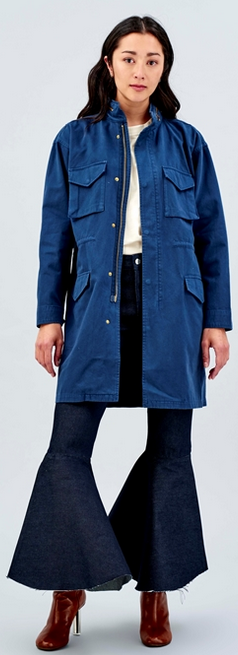
Maria Long jacket from Kings of Indigo
Kings of Indigo do several overcoats ranging from a swinging belted Gladys trench to the Maria Long coat in a boxy anorak style. (Jan 2019 no longer available)
I’m not really sure what a lot of the text says on the website as it’s largely in Dutch… but there IS lots of info that makes sense, including their use of sustainable fabrics, their commitment to fair wages and working conditions, their Triple R Policy (Repair, Recycle, Reuse) and their creative ways of finishing garments including low-impact and natural techniques which respect the environment and worker safety.
[divider]
I’d love to hear and see what tailored ethical denim you’re thinking of investing in this year and how you’re styling it for SS18. Drop me a line at kate@strippedbarefashion.com, or tag me in social media so I can pass it on!
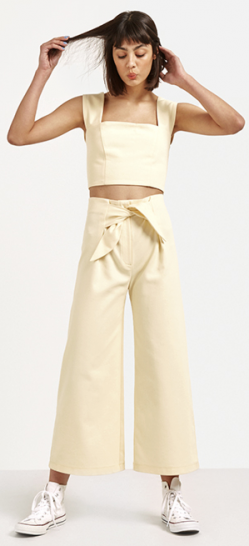
Ooooh… lemon yellow tie front wide leg culotte from Nobody’s Child
For Spring/ Summer 2018, the fashion world is offering up all manner of pretty pieces in the softest, most flattering gelato inspired colours.
But if you’re committed to buying ethical fashion the thought of shopping cheap, throwaway trends is counter-intuitive. If you’re wanting to add some on-trend colour, you don’t have to go head-to-toe pastels! Mint, fuzzy peach, dusty pink and baby blue all look great with your existing black, white or tan basics.
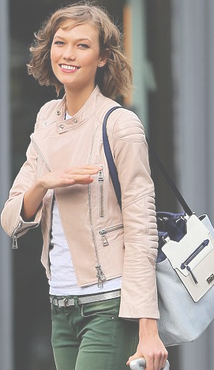
Steal her style! – Karlie Kloss showing how to pair pastels with olive green and keeping the accessories light.
To add a touch of pastel, pair a top in your favourite faded shade with a pair of white linen trousers or skirt. Olive green and navy work well too as a good base for adding pastels.
Keep the look fresh and light with delicate styles – such as strappy sandals and a small clutch or shoulder bag – if you want to wear dark or bright accessories from your existing wardrobe. Personally, I love the contrast of white or tan with pastels and would steer clear of beiges, greys and more earthy shades.
A combination of different pastel shades works too. Layer up a shabby chic rainbow by pulling together all your old and new pastel items. Don’t forget faded blue denim jeans and jackets which look brilliant contrasted with yellows and pinks and finished with your shiniest white eco-trainers.
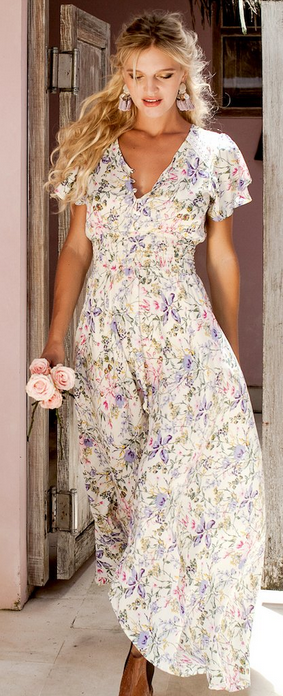
Floaty fabrics create a feminine look: beautiful maxi dress from BaliElf
Luxe fabrics work brilliantly to emphasize delicate colours. Consider sueded silks for their muted, peach-skin softness; chiffon for the addition of translucent colour (think a draped scarf or floaty overskirt): or crushed, coloured linen. Embroidery is still strong as a trend and can add some depth and texture.
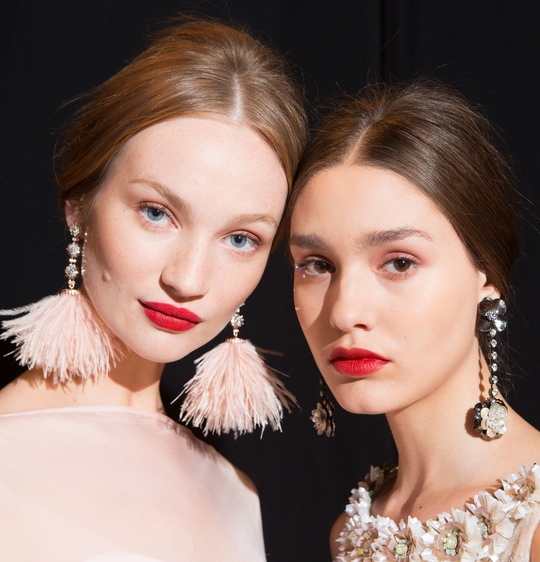
From Badgley Mischka’s fashion week offerings… barely there makeup and bright red lips work so well with pale and pretty clothing
Colour advisers suggest you choose shades which contrast with your natural skin tone to compliment your complexion: Try blushed pink or apricot near the face if you have olive skin, yellows and melon for pale, cooler tones, and icy blues or soft sage for those with a rosier complexion.
Before you dash out the door, give your makeup a moment’s thought. Pearlescent glosses or dewy matt lips in cashmere colours can accentuate the prettiness of pastels. But alternatively, don’t hesitate to go bold with your lipstick. Bright red lips create impact against an otherwise understated palette and look to be a top SS18 makeup trend when worn with otherwise minimal makeup.
Last but not least, if you want to avoid sweatshop fashion:
Buy quality, not quantity – spending more money on a garment that is thoughtfully made will improve it’s longevity and reduce your contribution to clothing landfill
Look for brands that promote their business ethics – credentials such as Fairtrade and certified organic are found on labels, or you can easily research ethical policies online
Ask online or instore #whomademyclothes
Join the ethical fashion conversation by sharing your favourite finds on social media with #fashionrevolution, or tag @kate.adores in your image
Follow the links from the images to shop the clothing shown in this article
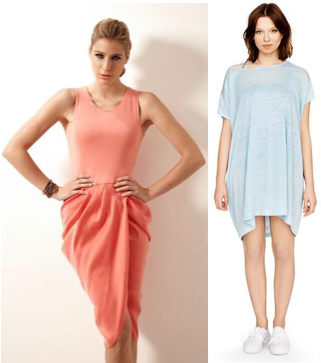
Dresses in sorbet-soft colours from Outsider fashion: blue lightweight linen tunic and peach bamboo and silk draped dress
Well, I am trying to be, but sometimes it’s so frustrating to see something that you really believe in making such slow progress. I’m talking about our ethical clothing campaign.
I guess that I expected the rest of the world to have the same reaction as I did when I saw the Rana Plaza collapse: Shock, sorrow, guilt… I had vaguely assumed that sweatshops were just something in Nike’s shady past. Nike and other “sweatshop brands” had been shamed out of their grubby profiteering decades ago, hadn’t they? Despite my lifelong boycott of Nike (I bear grudges) the thought of sweatshops hadn’t crossed my mind in ages. But images of the Bangladeshi wreckage brought it into eyebulging focus. This kind of treatment of unlucky humans by lucky humans is unforgivable, and definitely not something I, or my fellow lucky-country citizens would ever want to be a part of. Am I right?
So why hasn’t there been a global call to end sweatshops? Why no universal outrage at the plight of our fellow humans? It seems we only care about poverty and suffering if we can point the finger of blame in someone else’s direction. Meantime we turn a blind eye to the fact that people are enslaved to meet our own demands for cheap, disposable fashion.
I feel like we are just drifting obliviously towards forgetting about the Rana Plaza collapse. I feel we are pretending that it’s all been fixed up by token efforts and half measures, like The Accord. It hasn’t. It’s hard.
I admit, I have wavered in my own commitment to shop ethically. There was the time I took a princess costume to the checkout of my local Disney shop and asked whether their clothes were made in sweatshops, to which the sales assistant replied, “Probably”. Flanked by my two daughters who were wide-eyed with embarrassment and watched by every customer in earshot I said, “I’m sorry to hear that” and left.
There was the time I had to buy a Christmas hat for my son, and was tempted to pick one up from the pound shop – so quick, easy and cheap! – but chose in the end to blink back my tiredness and stitch one up late at night.
There was the time I fell in love with a pair of uber-flattering Karen Millen jeans, and didn’t even want to ask the sales assistant about their provenance for fear of bad news… which it was. Even at that point I struggled with my commitment! It’s not “nice” to make a fuss, is it? And my desire to be friendly and non-confrontational is almost as strong as my desire to make a stand for all those women and children locked up in sweatshops! But you’ll be pleased to know I walked out of the shop empty handed.
And there was the time my daughter showed me her own heartbreaking and heartbroken letter to Build-A-Bear in which she asked if their goodies are “made in sweatshops, or by other children who put their lives in danger and miss out on school to make fun toys for the lucky children”. No reply came. I was tempted to tell her I was sure her beloved BAB’s were ethically produced, but it would have been a lie.
At other times, I know I have steamrolled people who have raised objections to my ethical clothing commitment. I oscillate between outrage and heartbreak when I feel like my fellow humans are being inhumane.
“But all those people would have NO work if they didn’t have sweatshop work” – No, they could have the same work, they could just do it in a safe work environment and earn enough money to live on.
“They’re used to living and working like that” – They’re people! They’re human! And even if they are used to it, that doesn’t make it ok. Some sexually abused children are probably used to being abused… doesn’t make it ok!!
“Why don’t they do something about it themselves?” – Because they are unimaginably poor, powerless, vulnerable and fearful. If we don’t speak up for them, nobody will.
“I can’t afford it” – this one breaks my heart. Of course, there are people whose financial situation dictates that they can only buy the very cheapest clothing available, but generally speaking it’s an easy euphemism for “I’d rather spend my money on something else”. There I said it. Hang me out to dry, but it is a matter of priorities, not money. I just can’t imagine justifying “I can’t afford it” to a sweatshop worker. Imagine a woman, just like you and me, who works 18 hour days, who is bullied and most likely subjected to physical, verbal or sexual abuse by her employer, who is exposed to toxic chemicals and made to use dangerous machinery, who is forbidden from drink or toilet breaks, who is fined if production quotas aren’t reached and has no recourse to improve her conditions… and at the end of the day goes home to her slum with meagre rations of food for her children, who have been looking after themselves all day. Imagine telling this woman, “I can’t afford it”.
But the absolute worst – and increasingly common – response I get if I try to discuss ethical clothing is smiling, head-nodding apathy. You can’t combat apathy.
Just when I was beginning to wonder whether campaigning for ethical clothing would ever be anything more than pointless, I stumbled across an article on ThreadGently: This is the real cost of fast fashion. Never again? The article featured a close up image of a parent and child clinging together – dead – in the rubble of the Rana Plaza. The memory of the image still prickles my skin. If I’d known it was there I wouldn’t have looked. But I saw it and it gave me what I needed: impetus.
There may not be universal outrage over sweatshops yet, but there are like minds, a conversation has started and progress is being made. These are the small mercies, and I am grateful for them.
There are other things to be grateful for too, like the moments of relief – almost triumph!- when friends have said they support ethical shopping too, or proudly showed me an item of clothing they chose after reading something on my website.
I was grateful after I piped up in our school committee meeting, hoping I could introduce the idea of ethically produced school uniforms, only to discover that we already have them! Yay! I was grateful having asked about including a commitment to an ethically produced uniform for my daughter’s netball club and the idea was met with enthusiasm! Yippee!
I’ve had the fun of discovering brands who deliver delicious, original clothing and whose integrity in their dealings all along their supply chains is humbling. That’s something to be grateful for. And of course I am always grateful to our lovely readers who read, leave comments and email their support to me. Seriously, three cheers to you guys…
And in becoming acquainted with sweatshop-free brands, I have learned that many also promote their environmental credentials and use real life models. This is fashion that is eco-friendly, ethically made and free from gender stereotyping. HOOFUCKINGRAY!
So, if you, like me have been touched in any way by the plight of the people who died in Rana Plaza or by the knowledge that there are hundreds of thousands of other nameless, faceless workers still being abused on our behalf, I urge you too to keep talking and keep shopping (ethically!). Don’t give up.
x Kate
PS I will never knowingly buy clothing that is made in sweatshops again. Again.
Originally published on diamondsanddaisychains.com


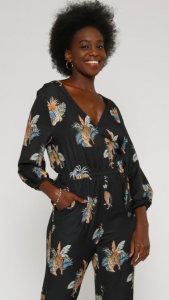

 Gudrun Sjoden
 Here’s a new discovery!
  If you’re looking for ethical swimwear and lingerie – some pretty retro, some super sexy, some just straight-down-the-line lovely – check out